Funding travel opportunities to bring language learning to life
For me, language learning has always been inextricably linked to travel and exploration. In my experience, learning even just a few words in the language of any country you travel to allows for a richer and more rewarding experience and, of course, opportunities to engage with native speakers in authentic situations support – and in many cases accelerate – language acquisition in ways that cannot be replicated within the classroom. My own language-learning journey has been vastly enriched by trips – both long and short – to countries where I could use my French and Spanish on a daily basis. From working as an au pair in northern France and Spanish summer school in Madrid, to my university year abroad spent in beautiful Venezuela and an amazing teacher training course in Vichy in 2018 (to name some of the most memorable experiences), opportunities to travel have empowered me to use and improve my linguistic skills, whilst simultaneously learning more about people and places through personal connections and meaningful cultural exchange.
Language-learning and travel have always been inextricably linked in my experience.
Some years ago, I was lucky enough to be able to take a group of 25 Year Five children to northern France on a week-long residential and watched with complete joy as they embraced the language and culture, pushing themselves outside of their comfort zones and demonstrating the resilience and determination to make themselves understood in a language that they had, until that point, only ever used in the classroom. However, the Covid pandemic, the rising costs of visits and and the complexities of taking children abroad post-Brexit, saw opportunities to organise these types of trips dwindle to nothing over time.
Using the target language to communicate in real-life situations helps to build confidence and gives context to langauge learning.
That is, until a couple of years ago, when I attended a course where the Turing Scheme was mentioned and the idea of actually taking pupils out of the country suddenly seemed to become a realistic prospect once again. Launched in 2021, the Turning Scheme was devised to replace funding streams lost with the Erasmus Programme, following Brexit. It is a UK government programme that provides funding for UK students – and recent graduates – to participate in international education and work placements around the world, with a particular focus on enhancing skills, boosting employability, and promoting social mobility.
I applied for funding in 2023, with the support of the Global School Alliance (GSA), who helped us to find a partner school with whom to work. It is a requirement of Turing that all applicants must have set up a partnership with an establishment abroad in order to be granted funding. As a school, we already had several established links with partners in a variety of French-speaking countries, as part of the development of the ‘International Dimension’ of the curriculum, but I was very keen to have GSA support us in fostering further links in other parts of the Francophone world. In the end, we settled on Morocco as we have several children in school with Moroccan heritage and I was also keen to explore the historical links between France and parts of North Africa, as part of our school commitment to a decolonised curriculum offer. So, with the help of GSA, we set up a partnership with Hilali Targa International School in Marrakech and I set about filling in the fairly lengthy application which, if successful, would grant us funding to support a trip to Marrakech for 16 of our Year Five pupils.
In June 2024, we got the amazing news that our funding had been granted and, with GSA organising our itinerary and calculating costings, we were able to offer pupils a six-day-long trip to Morocco, with parents paying just £120 and all other funding provided by Turing. We recruited sixteen Year 5 pupils and began the process of building links with Hilali Targa International School and preparing our pupils for the trip of a lifetime. It was the best part of a year in the planning, but when we finally set off for Heathrow Airport at 7am on a Saturday morning in late April 2025, the sense of excitement – mixed with some understandable nerves – was palpable. After a safe landing and an initial day of sight-seeing, we spent three full days at our partner school, learning Arabic and French; cooking; learning about traditional Moroccan clothing; participating in sporting competitions; making friends; and learning more about life in this fascinating country.
We travelled to the beautiful city of Marrakech in May 2025.
The great thing about having a company like GSA organising the trip was that we had a wonderful guide with us for the duration of our stay, who helped show us around the city and was on hand with advice and support whenever we needed it. We also had the peace of mind that somebody at GSA was always on the other end of the phone, if there were any issues. A full itinerary – including excursions and pre-booked restaurants – was organised for us in advance and the trip ran pretty much smoothly from start to finish.
Morocco is the most fascinating and culturally rich country and Marrakech is a vibrant – sometimes chaotic – and beautiful city. I had been expecting an element of culture shock and homesickness from the children but, from start to finish, they were transfixed by the incredible sights and took everything in their stride: eating new foods, learning language and even dodging the ever-present mopeds whizzing up and down the narrow alleyways of the souk. They used their French (and newly-learned Arabic) in their interactions with children and staff in our partner school, as well as in the hotel and restaurants, and engaged in every new adventure with enthusiasm and excitement. When we finally bid our amazing guide, Youssef, goodbye at the airport on the last day, many of the children were in tears.
We loved exploring the souks of Marrakech on our first full day.
On our return to the U.K., I was really keen for the children to have an opportunity to share their experiences with the wider school community so we invited staff, pupils, parents, ward Councilors and our local M.P. to a wonderful celebration event to showcase everything the children had gained from their experiences in Morocco. The pupils presented their learning along with lots of pictures and videos of their travels and members of our wonderful Moroccan school community provided food and refreshments. We were even lucky enough to have the Ambassador of His Majesty the King of Morocco to the United Kingdom of Great Britain and Northern Ireland, His Excellency Monsieur Hakim Hajoui, attend the event via Zoom to talk about the historic links between the U.K. and Morocco, hear about the children’s trip and answer questions about his role as an ambassador.
We were very fortunate to be joined by His Excellency Monsieur Hakim Hajoui as part of our ‘Celebrate Morocco’ event.
Despite the relatively lengthy application process and the financial logistics involved, I would strongly recommend applying for Turing funding if you are looking for ways to expand your young peoples’ horizons, give them authentic cultural experiences and provide opportunities for them to use their language-learning in context. In an educational landscape marked by stretched budgets and increasingly limited opportunities to build cultural capital, the Turing Scheme provides invaluable experiences that would otherwise be inaccessible to many young people. With the right support from SLT and parents, and a willingness to embrace the challenges associated with international travel, we can provide our students with once-in-a-lifetime experiences that they will carry with them through their academic journey and beyond, and inspire a new generation of linguists.
LaFête des Rois or Dia de Los Reyes is a interesting tradition to share with children and a great opportunity to link language a culture. Celebrated on the 6th January, Epiphany is a key festival in the Christian calendar and marks the visit of the three kings to the baby Jesus. With lots of regional variations, as well as diverse ways of marking the celebration in different parts of the French and Spanish-speaking worlds, there is lots of scope to explore this tradition in fun and creative ways.
In Spain, Dia de Los Reyes, is the day that children traditionally receive their presents. On the evening of the 5th January, the three kings arrive in towns and cities across the country, bearing gifts. Arriving by float, horse, boat, train or on foot (depending on the region) they process through the streets, throwing out their treats of sweets and chocolates to the crowds lining the streets. Music and performers accompany their progress. The festivities may extend well into the night – at least for the grownups – with street parties and markets. This clip from the Cabalgata de los Reyes Magos in Madrid, shows the arrival of the kings along with other street performers and, of course, the spectacular fireworks which mark the occasion. Another nice resource is this clip from the BBC, which explores – in both Spanish and English – the Epiphany traditions of Spain through a conversation between Ashleigh and her Spanish friend Cristina, along with more footage from the cabalgata.
The wise men arrive in Madrid.
The day of Epiphany itself is generally a quieter occasion, with children opening their presents at home and families sharing a roscón de reyes (tortell de reis in Catalan), a brioche-style cake shaped like a crown and studded with candied fruit to represent jewels. Much like the tradition of hiding coins in the Christmas pudding, a porcelain figure of the baby Jesus or one of the wise men is often hidden inside. If you find it, you get to wear the crown, usually provided with shop-bought versions. A dried fava bean is also sometimes hidden somewhere in the cake but if you find it, it’s your job to make (or pay for) the roscón next year. Recipes, like this one, are easily found online. Although time would probably prevent you from making a full roscón with your pupils, it might be fun to make one at home to share with the children. The king cake is often served with a delicious hot chocolate.
France is a country of two halves when it comes to the cake eaten to celebrate Epiphany or La Fête des Rois, as illustrated by this helpful little map. In the north, a galette des rois – a puff pastry confection filled with frangipane – is commonly found. Further south, the gâteau des rois – made from brioche dough – bears a close resemblance to the king cake eaten in Spain. Both sweet treats have a figurine, know a fève, which is hidden inside during the baking process, and whoever finds it, gets to be king or queen for the rest of the day. BBC Bitesize has this handy clip which also introduces some of the vocabulary associated with the celebration, as well as explaining the tradition of the youngest member of the family hiding under the table to decide which piece of the cake goes to whom.
I like the children to learn some key vocabulary associated with the celebration and use this pairs game, which they always enjoy. Even Year 6, who are in their fourth year of celebrating La Fête des Rois always need a reminder of the key words and enjoy the competitive element. The little recipe card below is also a nice visual guide for making a galette des rois and could be used as a reading activity or printed off for home learning. I often make several galettes in the first week back after Christmas and bring them into school to share with the children, substituting frangipane for stewed apples to avoid nut allergy issues.
I really love teaching the children this song about la galette des rois, which is simple and repetitive enough to do in one lesson. I’ve sometimes used the lyrics first with older pupils, allowing them to read the text and see how much they can understand before learning to sing the song together. I also incorporate the music into a pass the parcel-type activity, with a “galette” made with this template. The “slices” of galette are placed into a drawstring bag and passed around the circle (either the whole class or smaller groups) as the music is played and we sing together. At random intervals, the music is stopped and the child holding the bag pulls out a “slice”. They check their segment for the crown, which represents la fève and tell the group if they have it (oui/je suis le roi/je suis la reine/j’ai la fève) or they haven’t (non/je ne suis pas le roi/je ne suis pas la reine/je n’ai pas de fève). Any pieces without the fève go back into the bag until the piece with the crown is finally pulled out. Responses can be differentiated, as above, according to the needs of the class or the age of the pupils. I created a Spanish version of the game, with a roscón outline, for my Spanish Club and we use this little song as the backing music.
J’aime la galette is a simple nursery rhyme to practise in class.
There are some great, and fairly simple, French books available that could be shared with pupils to mark the occasion. L’âne Trotro: le roi de la galette, along with T’choupi aime la galette (this short episode of the T’choupi TV series also focuses on the celebration of La Fête des Rois) and, my favourite: Roule galette. Similar in plot to the gingerbread man, it offers a wonderful opportunity to draw comparisons between traditional tales from different countries and, although the text is fairly complex, it is nice and repetitive. The children enjoy joining in with the “attrape-moi, si tu peut !” line, which comes up several times. As well as the T’choupi clip mentioned above, this episode of the classic Petit Ours Brun follows Little Bear as he celebrates and might be a nice watch to end a lesson.
Festivals such as Epiphany are an excellent opportunity to explore with children the reasons why traditions originating in Europe are now celebrated with similar customs in other parts of the world. In Puerto Rico, for example, children place shoe boxes full of grass or straw under their beds (rather than shoes, as per the Spanish tradition) to feed the camels bearing the wise men. The magi will then take the grass to feed their horses or camels and leave gifts under the bed as a reward. Lin-Manuel Miranda, who children may know as the writer behind the songs in the film Encanto, talks more about his own reyes traditions in this short clip.
In Peru, the Bajada de Reyes is a parade of the wise men and celebrations marking the taking down of public (and private) nativity scenes. The festivities also involve children taking their dolls, symbols of the baby Jesus, to church to be blessed. This clip shows the Bajada de Reyes in Lima and would make a great stimulus for discussion when compared to images and clips of similar celebrations in Spain.
On the French island of Guadeloupe, unlike in many parts of the world, Epiphany doesn’t mean the last day of Christmas celebrations, but rather the start of a new period of celebration: Kannaval (Carnival). This lasts until the start of Lent and ends with the burning of the Carnival King, Vaval. For more ideas and inspiration for celebrating carnival, see my my very first blog post from back in 2021.
Using stop-action animation in iMovie to bring languages to life
For the last few years, I have been running an after-school Spanish Club. Whilst the core group of attendees usually remains the same, a small number of pupils come and go each half term. This means that I try to take a more project-based approach to teaching so that everybody, no matter how much Spanish they know, can access the sessions.
Inspired by a project that the ever-creative Angela Smith ran with her school’s Language Ambassadors and presented at a recent meeting of the Association for Language Learning’s Leicester Primary Hub, we worked together as a group to learn the poem Araña, arañita. The poem, which I found on Mama Lisa’ s World, was simple enough to learn whilst also including sufficient action for the children to animate. We spent a bit of time around the translation and discussed the rule for adding ita onto the end of a noun to make it diminutive as well as adjective noun order in the section about un sapo gordo. Then we recited it together, exploring the way that the use of accents remind the reader to place stress on different syllables. The children particularly enjoyed joining in with the onomatopoeic ¡Pum!
After a chance to do some story-boarding, I set out a load of cardboard and art materials and left the children to unleash their creativity on making the sets, backgrounds and characters, being on hand to guide them with some of the material choices and the trickier aspects of the construction. Some got so into it that they went off and made elements of the set and characters at home to bring in. The children worked so hard, seeming to relish the freedom of the project, and used the materials in some really innovative ways.
The children seemed to enjoy the freedom to create their own sets and characters
The set-making was a fairly lengthy process as they all wanted to build them from scratch and spent a long time cutting, sticking painting and assembling. Some of the sets turned out to be very impressive and were a great opportunity for the children to develop and showcase their D&T skills. Once the backgrounds were completed, I showed the children this lovely, short stop-motion animation and we discussed the process for making our clips. Then, it was time to get started on the technical side, using iMovie on the iPads to photograph each movement of the characters. This took lots of experimentation but once the children were happy with the stills they had taken and had played around with the transitions and durations, it was time to add the narration. We had practised the poem many times so most of the children were pretty confident with the pronunciation, but narrating in time with the animation was challenging for some.
The children were very proud of their completed animations and I was so impressed with the creativity on show. The biggest bonus was that, by the end of the project, they had all memorised every word to the poem! Below are a few examples of the finished results.
A virtual trip, bringing France into the classroom (and the playground)
Back in 2018, I had the great pleasure of taking thirty-five nine and ten-year-olds to northern France for a week. I have so many happy memories of that trip, one of which was a grey morning in the town of Boulogne-sur-Mer, when we visited the market. The children had lots of fun looking around all the different stalls and then did a great job of using their French to buy souvenirs to take home. It was wonderful to see them communicating so confidently in French and watch the delight on their faces when they spoke, and were understood, in a language that up until that point they had only ever had the chance to practise in the classroom. And, of course, they were thrilled to buy lots of things to take home with them as reminders of the experience.
Since the Covid pandemic and Brexit, I sadly haven’t made a return school trip to France. However, when I began making some changes to my curriculum a couple of years back, I felt that it was incredibly important to try and recreate some of the magic of that trip and give my pupils the chance to use their language learning for practical purposes. With this in mind, I planned a unit of work – Au marché – for my Year 5 classes, which introduces the children to some key items that they might want to buy from the market; explores the use of du, de la and des (some); builds phrases using je voudrais (I would like); and recaps numbers to allow pupils to understand the responses to the question c’est combien? (how much is it?)
The final lesson in the unit involves a visit to a French market – set up in the school playground – and took a bit of work, as I wanted it to be as authentic as possible. Preparations started a couple of months before the event, with the first job being to create the stalls. They were a fabulous team effort between our Premises Officer, who created the frames for the canopies, and my mum-in-law, who is a sewing machine genius and created the striped awnings. Wood reclaimed from around our school site was used for the frames, to keep the costs as low as possible, and I sourced some cheap material online to create the red and white awnings. Then, all that was left to do was to put the canopies onto the desks to create the stalls selling bread, fruit and vegetables, flowers, cheese and jam. Just missing their enthusiastic Year 6 traders, here are a couple of the stalls ready for their first visitors.
To make the experience as authentic as possible, and to add further opportunities for speaking in French, I created these passports for the pupils to use before boarding a purpose-built ‘plane’, which I set up in my classroom. Constructed from display screens, complete with stapled-on windows and classroom chairs to act as plane seats, I even managed to source a little trolley with wheels – in fact a book trolley – for my Year 6 cabin crew to serve drinks from. After getting their passports stamped, the children watched this great little Air France safety briefing as we ‘took off’ and then ordered drinks from the cabin crew, before ‘landing’ and disembarking to begin their market shopping challenge.
The children were split into teams of four and issued with a laminated shopping list, detailing the items that they would need to buy on their trip, a wallet of plastic play euros and a little shopping bag. I made sure to include the key phrases that they might need during their interactions on the shopping lists, to enable the children to be as confident as possible when buying their items. They then worked as a group, taking turns to ensure that everybody got a chance to buy different items from the stall-holders.
To make sure that any early finishers had plenty to keep them occupied, I set up an area for the children to write a postcard home detailing their experiences. Then, it was time to get back on our plane and return to class.
Planning, resourcing and running this very first ‘virtual French trip’ was a fairly time-consuming process but now that all the main resources are prepared, I’m hoping that it will be pretty straightforward too run year on year. It was definitely a brilliant ending to a really practical unit of work and helped to recreate some of the magic of a trip abroad, without even having to leave the school grounds.
With the weather warming up, and the second half of the summer term just around the corner, I’m really looking forward to delivering this brand-new sequence of lessons, which I added to my French scheme for Year 4 when I did some curriculum refreshing last academic year. This is the result of a collaborative planning effort with the wonderful Angela Smith, an incredible specialist French teacher with many years of experience, working at Stafford Leys Primary School in Leicester. Over some joint PPA sessions, we planned this unit of work, which teaches the children a range of ice cream flavours; gives opportunities for food tasting (always a winner); teaches vocabulary for expressing opinions; and ends with some minibook writing. Although all the resources provided here are in French, this could easily be adapted for Spanish too.
Food tasting is always a hit with children in the classroom (and any adults that might be in there too). Photo by Calebe Miranda on Pexels.com
Starting from a basis of phonics, using Sue Cave’s ‘Physical French Phonics‘, the children learn the names of various ice cream flavours and use their understanding of cognates to pick out words which they recognise. To embed the new vocabulary, children could play a range of whole-class listening games, such as loto en ligne or paired speaking games like le jeu du mémory or morpion, all of which involve lots of repetition, to perfect their understanding and pronunciation of the new vocabulary. Games, such as Qu’est-ce qu’il manque (Kim’s Game), where I show a set of vocabulary on one slide and switch to the next, removing a chunk which the children then have to say aloud or write down on mini whiteboards, is another favourite.
This is also an excellent time to discuss why some flavours start with à la where others start with au. My Year 4 classes have been learning about masculine and feminine nouns since Year 3, so this is a great opportunity to revisit and use it in a slightly different context. I find Word Wall a really handy tool for creating sorting activities like this one, which work well as starters and keep the grammatical terminology fresh in the children’s minds.
After learning the different ice cream flavours, children move on to learning opinions and exploring positive and negative sentences. I find flashcards, signing and lots of discussion about the position of the apostrophes within the phrases is really helpful at this point. Then, it’s time to try the different flavours of ice cream that we’ve spent the last few weeks talking about. I will be doing this as a simple taste-test with the children recording their opinions using this tick sheet, but you might want to be more adventurous and run it as an ice-cream parlour role-play session with the children ordering different flavours of ice cream (and toppings, if you want to take it one step further) from waiters in French.
I finish every unit of work with some sort of extended writing opportunity, but before we do that there is lots of work to do getting children confident in expressing their ideas verbally. Games like La trappe (Trapdoor) work really well for getting children creating, and extending, their sentences and the element of competition involved in trying to guess your partner’s sentence is a big motivator for many learners. There is a great explanation of the rules of the game here, on Clare Seccombe’s Changing Phase Blogspot. This Trapdoor grid includes all the key vocabulary learned so far in the unit and encourages children to begin to extend their sentences with conjunctions too. Games such as La bataille navale (Battleships) are also perfect for repetition of the key vocabulary in a variety of different ways.
This Trapdoor grid starts life as a speaking frame but could also be used as a writing frame for less confident writers.
After spending so much time on speaking, listening and reading activities, I try to make moving on to writing in French as unintimidating as possible. Often, I use minibooks for this. Clare Seccombe has an incredible number of ideas for these on her blog but this idea I saw on Pintrest and used as inspiration for creating my own template. I like how every scoop of ice cream – each with a sentence written on it – can be built on top of another to create a sort of lift-the-flap book and I think they would look really nice as part of a wall display. You might, however, not want to have everyone in the class doing one as it does involve rather a lot of paper. A simple outline of an ice cream cone, cut out, written on and coloured in would look great too.
To wrap up this sequence of lessons, there is also a lovely (if rather tiny) Barbapapa book, which explores the theme of ice cream and would make a great read-aloud to end the unit, adding a cultural dimension to the lessons too.
The role intercultural discovery in the primary languages classroom
First coined by French sociologist Pierre Bourdieu in the late 1970s and early 1980s, ‘cultural capital’ became a bit of an an educational buzz word – at least for those of us working in England – when it first appeared in Ofsted’s 2019 Inspection Framework. Here, it was outlined in rather broad brush strokes as:
… the essential knowledge that pupils need to be educated citizens, introducing them to the best that has been thought and said, and helping to engender an appreciation of human creativity and achievement.
Ofsted Inspection Framework 2019
When Bourdieu first began using the term ‘cultural capital’ – in other words, familiarity with the dominant cultural codes in a society – it was intended as a way to explain educational inequality between children from different backgrounds. He argued that children from higher socioeconomic status backgrounds were at an advantage at school because they had greater access at home to cultural knowledge and experiences than those from lower socioeconomic status backgrounds. These might, for example, include access to art galleries or museums; particular works of literature; or experiences such as theatre visits or holidays abroad. In more recent times, policy-makers, such as former Secretary of State for Education, Michael Gove, have presented cultural capital as the “key to social mobility.”
Bordieu argued that access to certain experiences and knowledge gave some children an educational advantage.
However, what Gove, and others like him, have failed to understand is that everybody, regardless of social or economic background, has cultural capital. Unrecognised, perhaps. Undervalued, yes. Legitimate, certainly. The key, as described brilliantly by Debra Myhill and Annabel Watson in ‘Understanding Literacy and Disadvantage‘, is not what cultural capital an individual possesses but where this cultural capital positions them in relation to educational establishments and society in general. In fact, when presenting his original theory, Bourdieu argued that education systems actually entrenched this inequality because teachers, mistakenly, perceived familiarity with the dominant cultural codes of a particular society as academic brilliance and rewarded it as such. He went on to theorise that this could not be changed within the current structure of society.
On 28th June 2019, Ofsted Chief Inspector Amanda Spielman’s spoke to educators and attempted to better outline what inspectors defined cultural capital to be, expressing that:
By this, we simply mean the essential knowledge, those standard reference points, that we want all children to have.
Far from ‘simple’, as educators we must always be aware that ‘standard reference points’ will necessarily differ between individuals – both teachers and pupils – and consider the impact that this may have on children’s ability to access, or see themselves represented within, the curriculum. We need also to interrogate the idea of ‘essential knowledge’. What might that be and who defines the activities and content that children need to build their cultural capital? How can we be certain that, as teachers, we are not, however unwittingly, feeding into the narrative that some activities are considered more valuable than others? As Juliet Mickelburgh asks, “Is there a danger that working-class culture could be seen as inferior to middle-class culture?” As educators, how do we avoid elitism when talking about cultural capital? And is there an unwritten subtext that cultural capital actually means – by and large – white, European ‘high’ culture?
How do we define cultural capital? Are we simply referring to European ‘high’ culture? How do we ensure it is more than this?
Whilst there are no simple answers to any of these questions, what we can be sure of is that pupils arrive in schools with knowledge and experiences that should not be dismissed simply because they do not fall into an extremely narrow view of what cultural capital actually is. In multicultural, multilingual schools like my own, pupils arrive with us bringing with them a wealth of cultural capital, which needs to be valued, made visible and celebrated. To do this we have to be asking ourselves questions. How do we ensure that global majority pupils see themselves reflected in our curriculum offer? On the flip-side of this, how do we prepare pupils living in less diverse environments to live and thrive in culturally and ethnically diverse modern Britain? We may also need to consider the extent to which local or regional identities, for example in ex-mining or formally industrial communities, are reflected in the school’s curriculum offer.
The wonderful thing about teaching languages, is that we, as practitioners, are ideally placed to build children’s cultural capital and their knowledge and understanding of the wider world. The best that has been thought and said by many people from multiple cultures all around the globe. However, in doing this we must be more aware than ever of our own reference points, our own biases and our own world views. We need only give pupils (or colleagues) an opportunity to look at the world map that pupils in China – not for nothing known as 中国: Middle Kingdom – would study in their geography lessons, to recognise that the way we see the world can be very different depending on where we live and the experiences we have. Our teaching of culture cannot be Eurocentric and must reflect the global nature of the languages that we teach, exploring the reasons behind this in an age-appropriate manner.
Whilst the National Curriculum Programme of Study for languages mentions culture very little – in my opinion, a bit of a missed opportunity – I would consider it essential to the study of any language. Over the past four years or so, I have spent time developing my school’s curriculum offer for languages, seeking to build pupils’ understanding, not just of the French language, but also of the multitude of cultures that make up what we might term ‘the French-speaking world’. I have always felt very strongly that a multi-layered approach, in which culture plays a central role, was needed when planning the curriculum if pupils were to gain a deeper, and perhaps less stereotypical, understanding of the Francophone world. With this in mind, and given the limited curriculum time available to languages in primary schools, units which we would expect to cover in the primary languages classroom – clothes; the weather; giving opinions – are built on the foundation blocks of phonics, vocabulary and grammar but also weave in a cultural element which would have been lacking if we came at the learning from a more “traditional” angle.
Long-term plans for Years 3 to 6 showing units of work (circled) where children explore the culture of the Francophone world, whilst also learning the required phonics, vocabulary and grammar
In Year 3, for example, pupils learn all about the tradition of le goûter in France, which is the after-school snack that is probably comparable to the afternoon tea in terms of its iconic status in French society. Pupils are introduced to the concept of le goûter before using phonics as the starting point for building accurate pronunciation and spelling of the new vocabulary. Bringing in essential grammar, we talk about the use of definite article and the masculine and feminine forms, followed by lots of games and activities to practice these new nouns. Then, it’s time to introduce simple vocabulary for expressing likes and dislikes verbally, before we have a go at tasting the snacks themselves and giving our opinions. After lots of oral repetition, the pupils produce a mini book detailing, in sentences, which snacks they liked or disliked. I love teaching this unit because, as well as building their knowledge of phonics, broadening their vocabulary and demonstrating positive and negative sentence constructions, pupils talk aboutand taste authentic French foods.
Tasting food is a simple way of bringing culture to life.
In Year 4, I need my children to spend some time revisiting colours and adjective noun order, as well as learning some simple prepositions for the first time. That could be done in any number of ways but I’ve chosen to do it through a study of the collage work of Henri Matisse, adapted from a unit of work created by Rachel Hawkes. Pupils create their own animal, inspired by Matisse’s escargot, using shapes of varying colours and sizes. The ulimate aim of the unit is for them to be able to describe the shapes and colours that they have used and how these are arranged on the page. To do this, they need to be able to sequence the noun and the adjective correctly, use a variety of prepositions and employ a range of conjunctions to extend their sentences. Throughout the unit, pupils discuss the inspiration and history behind Matisse’s gouaches découpées and this in turn builds their knowledge of culture. It also marries nicely with a later Year 4 art unit, which children work on with the class teacher. When thinking about how to weave culture into language lessons it can be very worthwhile looking at the long-term plans for other subject areas to see what pupils are already learning in art, history, geography, music, and even English, to uncover any links that can be exploited to deepen pupils’ understanding.
By Year 5, my pupils have covered a fair amount of phonics, vocabulary and simple grammar. However, there is still a need to revisit lots of previous learning to ensure better recall over time. In their unit On s’envole pour la Francophonie, pupils use an information text, written in French, to find out facts about a range of countries in which French is the official language. For this, they need to revisit a range of vocabulary, including numbers, weather and colours (for the various flags). Following their research, and an opportunity to recap the phonics and vocabulary associated with items of clothing, children choose one of the countries to travel to and create a written text to describe what they would pack in their suitcase and why. In this unit, which also has great links to geography, pupils’ understanding of the cultures of the French-speaking world combine with their knowledge of the language to produce meaningful results. Later on in the term, the same children also have an opportunity to take part in a ‘virtual’ French trip where they use their knowledge of French for the practical purpose of visiting a French market – set up on the school playground – and buying items.
Year 6’s cultural units bring opportunities to explore Senegal, through its fashion and music. A half term of learning about Dakar Fashion week is the perfect moment to revisit colours, clothing items and adjectival agreement in the singular, as well as introducing the trickier concept of adjectival agreement in the plural. Later on in the term, pupils learn about the traditional instruments of Senegal, listen to the sound they produce and use a range of phrases to express and justify the their opinions in increasingly complex ways using a variety of adjectives.
Sometimes, all that is needed to embed cultural capital into a unit or scheme of work is to look at what is already there and think about how a change of angle could incorporate a cultural element that has the potential to really enrich the learning for pupils. For me this has been, and continues to be, an ongoing process. Whilst it can be challenging, given the time constraints, our critical role as language teachers is to turn our pupils’ eyes out to the wider world, broaden their experience and demonstrate to them the richness and diversity of the world within and beyond Europe.
Exploring the art and artists of the French-speaking world
When I first started working as my school’s specialist languages teacher, with responsibility for teaching across all eight Key Stage Two classes, one of my main aims was to take French from being a “stand-alone” subject to one which was much more cross-curricular. Weaving language-learning into the curriculum alongside other subjects felt important in terms of raising the profile of French in our school, but also as a tool to enable pupils to make links to other subject areas and recognise that learning another language has real-world relevance. The process hasn’t been without its challenges and has, of course, taken time but I have been very lucky to have lots of support from my Head, SLT and our great team of class teachers to make these plans a reality.
I’ve always felt that a project combining both French and Art would make for some excellent cross-curricular learning. After all, France is the country that gave birth to the impressionist movement and artists from around the world have flocked there for centuries to paint its landscapes. Francophone Art Week, which was inspired by a post from Sarah Bruce in the Languages in Primary Schools (LiPS) Facebook group from way back in 2015, is an opportunity for our pupils to explore the varied cultures of the French-speaking world through its art and artists. During the week, each year group from Reception to Year 6, learns about the work of an artist from a Francophone nation and uses them as inspiration for their own compositions.
In terms of decolonising the curriculum, I believe that it is essential that we ensure pupils are exposed to lesser-known artists from countries other than France. So, while Key Stage One focus on the likes of Claude Monet and Henri Rousseau, Key Stage Two use their partnerships with Francophone countries as a springboard for the study of artists from Guadeloupe, Reunion Island, Rwanda and Senegal. This is a great opportunity for pupils to learn more about their focus countries early on in the school year.
During Francophone Art Week, pupils explore the techniques of particular French-speaking artists and use a variety of media to create their own compositions.
Now an annual event in our school’s calendar, Francophone Art Week is a collaborative planning effort alongside our wonderful Art Lead. It involves every class in the school going “off-timetable” for four afternoons, something which I am very lucky to have support from SLT to do. Each class spends time learning about the artist that they are studying and becoming familiar with their backgrounds and work, as well as practising the techniques used within one – or a range – of their pieces. These techniques link directly to the Art objectives in our school’s progression documents for each year group. Then, it is time for the pupils to create their own artwork, inspired by the techniques and colours of their focus artist. The children finish the process by evaluating their compositions. French lessons, which happen in Key Stage Two only, also reflect the focus of the week but are directly linked to the pupils’ progression in the target language.
Reception – Sonia Delaunay (born in modern-day Ukraine but lived most of her life in France):
With its bold colours and opportunities to talk about a variety of shapes, Sonia Delaunay’s work is perfectly suited to Reception. Pupils experiment with mark making and printing in paint with a variety of 2D shapes in the three primary colours. They also practise safely using scissors to cut out shapes and choose how to position and stick them onto the page. The results look fabulous when displayed and generate excellent conversations around shape names, which links well to maths too.
Year 1 – Henri Rousseau (France):
Henri Rousseau’s fabulous jungle paintings are the inspiration for Year 1, who use pallets to mix the various tones for their leafy backgrounds and then paint their designs in poster paint on cartridge paper. They then experiment with finer paint brushes to create zig-zags, swirls, stripes and dots, which they use when creating their own hand-print jungle animals to add to the scene.
Year 2 – Claude Monet (France):
Claude Monet’s beautiful watercolour lily works are re-imagined by Year 2, who work on colour mixing to make finer variations in secondary colours. Pupils then practise a range of brush-strokes to create different effects, which they then put to use in their own work.
Year 3 – Anaïs Verspan (Guadeloupe):
Working in acrylic paint can be challenging, but the contrasting colours against the black backgrounds of these works on miniature canvases look stunning. The children start off by exploring the use of colour within Anaïs Verspan’s art and work with a colour wheel to choose a range of contrasting shades for use in their own pieces. They experiment with a variety of combinations before painting their black backgrounds and adding the coloured paints.
We have also been lucky enough to have the artist herself join us via Zoom so the children can ask her questions about her artwork and inspiration.
In French, children learn some simple colour names through games such as Jaques a dit (Simon Says) and Montrez-moi (Show Me). The flashcards I made can be downloaded here and printed using the ‘multiple copies to a page’ option to create the mini cards for the game. They also join in with this lovely rainbow song, using coloured scarves to physically respond to the colour names as they hear them. Then, I challenge them to talk about the colours they can see in the art works themselves, either by pointing and naming the colour with a single word or, if they want to extend themselves, by using the sentence starter “Je vois la couleur…”. This is a great introduction to colour adjectives, which we come back to and explore through our phonics as part of a later unit of work in Year 3. The slides I created for the session can be accessed here.
For the final exhibition for the school community, which happens the following week, I film some of the children talking about the colours they can see in the different paintings and create QR codes to stick up with their art work. These can then be scanned by carers using their smartphones to see and hear examples of pupils speaking in French.
Year 4 – Kid Kreol and Boogie (Reunion Island):
Year 4 pupils focus on the work of two amazing street artists from Reunion Island: Kid Kreol and Boogie. After exploring the inspiration that the artists draw from the nature and topography of this amazing island, the children sketch a range of tropical leaves found in Reunion’s rainforests. They then consider ways to turn their sketches into the more styalised street art form, with bold lines and less detail, and use these techniques to create their own individual jungle collages.
In their French lesson, pupils work to translate a poem about Reunion Island from the fantastic book 101 poésies et comptines tout autour du mondeby Corinne Albaut. This one was flagged up to me in a webinar by the fabulous Suzi Bewell and I highly recommend it for simple poems about loads of different countries, both Francophone and non-Francophone. We discuss how we might use cognates to begin to understand the poem, along with words that we already recognise from our previous learning. Then, we use dictionaries to work out the meaning of small sections of the poem before creating a whole-class translation of the entire thing. We didn’t have time this year, but this is a great poem to learn by heart and perform too. You can break it down into chunks and give individual groups different sections to make it more accessible. The slides I made for the session can be found here.
Year 5 – Kenneth Nkusi (Rwanda):
The acrylic works of Kenneth Nkusi of the Inema Arts Centre, Kigali, are the inspiration for Year 5, who begin by examining the contrasting colours of the artist’s work and his depictions of forests and trees. Pupils use colour wheels to experiment with contrasting colour combinations for their own works and also practise the different brush strokes used within Nkusi’s original pieces. Then, they choose their background colour and paint in their tree trunks and leaves.
In French, pupils have recently revisited the use of the definite article in the singular and have been introduced to the plural form les, so this week is a great opportunity to put their learning into practice. Firstly, we watch a couple of clips to immerse the children in the sights and sounds of Rwanda. As they watch, pupils write down all the nouns that they see – gorilla, lake, volcano, etc. – in English. After feeding back and generating a shared list as a class, pupils choose a range of these nouns to translate into French, selecting the correct definite article. Pupils use bilingual dictionaries, or glossaries for those who find the dictionary tricky to use, to create a list poem of nouns associated with Rwanda. Those who feel confident, can create a list poem made up of plural nouns, as in the example below. The slides for the session are here.
Year 6 – Souleymane Keita (Senegal):
Described as the father of contemporary Senegalese art, Souleymane Keita’s ink masterpiece, ‘The Door to Nowhere’, is the focus for Year 6’s learning. The children begin by learning about Keita and how his works were inspired by his birthplace: the Island of Gorée, off the coast of Dakar. Pupils explore Keita’s use of different tones of ink to create a sense of depth – lighter tones to make things appear further away and darker ones to bring objects closer to the viewer. After experimenting with ink washes and the use of rollers, pupils create their own monochrome pieces for display.
Following on from their previous unit of work – Je suis moi – in which pupils revise vocabulary to talk about their name; where they live; their age and birthday; and learn how to share information about their nationality; hair and eye colour; and the languages that they speak, I get the children to write a short autobiography of Souleymane Keita, in French, using bilingual dictionaries to add information about his job. The slides for this lesson are available here.
On the Wednesday of Francophone Art Week, we always have a whole-school assembly, the slides for which are available here, to talk about the artists that the children have encountered and discuss what they have learned so far. We then round the whole thing off the following week with an after-school exhibition. Sharing all of the pupils’ creations with our school community and seeing how proud they, and their carers, are of the hard work that went into creating them is an incredible end to a fantastic week!
How do you incorporate cross-curricular learning into the languages offer at your school? If you want to know more about how we planned and organised our Francophone Art Week, feel free to get in touch.
I love sending time planning and preparing creative and engaging activities and resources to use in my languages classroom, but sometimes we all need a go-to activity, which we know will give us the learning outcome we need with a minimal amount of preparation. All of the activities below work well as starters, as well as part of a sequence of activities within a lesson, and are also great for those spare five minutes (do we really ever get them?) which we can use to embed previous learning or revise content that needs refreshing.
Speaking:
The detective:
I’ve never met a class who doesn’t love this game and it’s a great way to practise questions and responses. Choose a question to focus on (for this example, we’ll use “What is your name?”) Practise the question as a class along with the response. Get the children standing in a circle and then send one member of the group out of the classroom to act as the “detective”. Choose one of the children within the circle to act as the “imposter” and change their answer (in this example with names, everyone would respond with their real name except the selected person who would change their name to something else). The inspector returns to the room and has to try and find the imposter by asking the focus question repeatedly to different members of the group. I usually like to impose a limit to the number of times the detective can ask the question to add a bit of interest. If the detective guesses correctly, they retain the right to the role. If they don’t, the imposter becomes the detective and the game begins again. This doesn’t just work with names, of course. Questions about age, where you live, pets and many more would work well too.
What am I hiding?
This is a nice whole-class activity to check individual pronunciation of focus phonemes/graphemes, words or longer phrases. All you need are a set of flashcards (eight to ten works well as it gives opportunities for lots of guesses) with images, words or phrases on them, one of which is chosen and placed face down at the bottom of the pile. The class then tries to guess the hidden card. The person who guesses correctly, gets to come up and hide their own card, which the rest of the class has to try and guess. A really adaptable game which works as well with Year 3 as Year 6, as the complexity of vocabulary and phrases can be changed.
Dice games:
These great foam dice with pockets (which I found hiding at the back of the maths resources cupboard) are perfect for practising a range of questions and responses. Simply write six questions onto post-it notes or squares of card and insert them into the pockets. Then, have the children work in groups to role the dice. Whoever roles reads the question aloud to the person on their left. If it is answered correctly, the pupil giving the response gains a point. The dice then moves on to the next thrower in the circle. The aim is to get as many points as possible in an allocated time period.
Twenty-One:
This is one of my favourite activities for practising numbers and is very popular with language-learners of all ages and stages. To begin, get pupils standing in a circle and have them take turns counting up from zero to twenty-one, saying either one, two or three consecutive numbers. The person who says twenty-one is out and counting begins again. This game is easily adapted to lower or higher numbers, depending on the level of the group playing.
Higher or lower:
Another really simple game for working on numbers. The teacher chooses a number range, for example 0-21, multiples of 10 from 0-100, or any other number range that the class needs to practise. Choose a number and write it onto a mini whiteboard, without the class seeing. Pupils they try to guess the numbers in the target language, whilst the teacher prompts them with the clues “higher” or “lower”, helping the children to eliminate numbers as they go. The pupil who guesses the number correctly secretly chooses a new number and the game begins again. Make sure you have a slide on the board showing the number range so that they can be physically crossed off, which helps children keep track of which ones have and haven’t been eliminated.
Pictionary:
This game works really well for a range of vocabulary, from sports phrases to food and drink items and body parts to weather phrases. Pupils are split into groups of four and each nominate a “drawer” for the first round. The teacher shows the drawers only the item of vocabulary that they are to depict and they all go back to their groups. On the teacher’s signal, the drawers begin to sketch out an image which represents the item of vocabulary on their mini whiteboards. The first team to correctly guess the word or phrase wins a point and a new round starts.
Pictionary is a fun way to practise a range of words and phrases in the target language.
Hotter, colder:
Always a winner, no matter which year group I play it with, this game gives children permission to use loud voices in the classroom and that is very motivating for many! Send a “seeker” outside and then hide a flashcard with a picture of a vocabulary item, or a whiteboard with a word or phrase written in the target language somewhere in the classroom. Once they are invited to return to the classroom, the rest of the group must guide their classmate to find the word or phrase by repeating it over and over again, more quietly if they are far away and getting louder as they get closer. Don’t forget to have the key words or phrases on the whiteboard for the pupils to refer to, which turns this a reading activity as well as a speaking one.
Listening:
Show me:
A game that gets very competitive and noisy! Children work in pairs and need a group of objects (pencil case items, for example), coloured pencils (if you want to practise colour names), or mini flashcards (if you have the time to prepare them), in front of them to practise key vocabulary. In the target language, the teacher calls: “Show me…” and finishes the phrase with an item of vocabulary (e.g. “montrez-moi un crayon.”) The children compete together in their pairs to be the first to hold up the item named by the teacher (no snatching allowed though!) The winner marks a point onto a whiteboard. The person with the most points at the end of the game, is the winner.
Practise colour names by getting children to be the fasted to hold up a crayon of the correct colour.
Whiteboard bingo:
A classic of every language classroom, whiteboard bingo works to practice a range of graphemes, individual words, longer phrases, numbers, verb conjugations…the possibilities are endless. Pupils write a range of digits, words or phrases on their individual whiteboards and when they hear them read aloud, either in English or the target language, cross them off their grid. The first to cross off all six items is the winner.
Phonics towers:
This is a great game which I picked up from the fabulous ‘Games for Teaching Primary French’. All you need to play is a class set of unifix cubes and a group of key words. It works brilliantly for recognising specific phonemes (especially if children are struggling to differentiate between two, which may sound very similar to a non-native speaker). Tell the children which phoneme they should be listening for and then slowly say a list of eight to ten words, which the children must listen to really carefully. Each time the pupils hear the target sound within a word, they add a cube to their tower. At the end, they can say how many cubes they have in their tower, a nice quick way to assess how accurately pupils are able to identify particular sounds in the target language. This can be repeated several times with the same sound, or a variety, and can be played individually or in pairs if you want to encourage a bit of discussion and collaborative work.
Guess the topic:
I’ve only recently started doing this activity, but it’s a challenge that pupils seem to enjoy. Songs are a go-to way of embedding key vocabulary in the target language and I would usually introduce them to a unit of work early on to support the learning of the new vocabulary. However, some songs (especially those containing lots of cognates) work very well played at the start of a unit of work to get children listening carefully to the lyrics and guessing what the upcoming topic is about. I freeze my interactive whiteboard and play the song to the children with just the audio, asking them to put their finger on their nose when they think they have worked out what the song is about. Then we feed back. A good variation on this is to play a song that pupils are already familiar with and then stop it at various points, before a key word or phrase, which the pupils write on their whiteboards.
Can children guess what the song is about, in this case by using their knowledge of cognates?
Reading:
Half-words:
Another game inspired by ‘Games for Teaching Primary French’, I often use this as a starter to get children revising items of vocabulary or phrases that they have already learned in previous lessons. On the board, have a set of pre-prepared vocabulary written, but make sure that half of the word or phrase is obscured. Pupils work in pairs to try and identify the word or phrase which is hidden. You could allocate a points value to each one, if you like, to give the game a more competitive element. Once the children have had a chance to discuss in pairs, bring the whole class back together to see how many they managed to identify. I like to move the blocks covering the words or phrases so that we can talk about any tricky graphemes or accents in more detail. You can see in the example below that I have colour-coded the vocabulary according to gender and also made sure that silent letters are in grey, as this is something we had been working on as a class.
Ask pupils to identify the vocabulary which is partly hidden under each block.
Odd one out:
This wonderful activity was shared by the inspirational Angela Smith at a recent meeting of the Association for Language Learning Leicester Primary Hub and has proved to be a great success. It takes a tad more prep but generates some fantastic discussion. Pupils each have a grid with a range of vocabulary written within it. They must all choose a row, column or diagonal line and select the word which they consider to be the odd one out. There is really no “right” or “wrong” answer, as long as the pupil can justify their choice – an idea which children seem to find very empowering. Example answers for the grid below might include comments on the gender of the nouns (“Une grenouille is the odd one out because it’s the only one which is feminine.”), discussions around silent letters (“Un chat is the odd one out because it’s the only one which ends in a silent e.”) or even where the animal lives (“Un poisson is the odd one out because it’s the only one that lives in water.”) I find it very interesting to see what sorts of answers pupils come up with, some of which can be very original! Colour-coding of nouns according to gender, greying out of silent letters, as well as supporting images could also be added to the grid to support SEND/EAL learners.
Odd one out grids are quick to prepare and generate incredibly interesting discussions between children and as a whole class.
One pen, one dice:
A fun translation activity which I initially saw being mentioned by secondary MFL teachers on Twitter several years back. Like many reading activities, this one involves a bit of preparation in that you need to create a text for the pupils to translate. They may be translating a chunk of text if they are further into their language-learning journey, or filling in missing gaps with individual words or short phrases lower down the school. Pupils work in pairs, each with their text in the target language in front of them. Each pair also has a pen and a dice between them. One starts with the pen, the other the dice. The pen-holder starts their translation task whilst the other player roles the dice until they get a six. Once they do, they take the pen and begin their translation whilst their opponent roles the dice repeatedly until they get the next six. Then the dice and pen swap over again. The aim is to be the first player to complete the translation. However, I always stress to the class that whilst speed is important in the game, accuracy is even more so. The pupil who finishes first is always awarded three points, but additional points are also gained through accurate translation so you might find the slower translator actually wins in the end. I find pointing this out at the start of the game usually encourages children not to rush too much. To avoid the noise of multiple dice hitting the tables repeatedly, I use these small, soft dice, which are much easier on the ear!
Writing:
Back writing:
I use this activity a lot in Years 3 and 4, particularly to practise grapheme writing, as suggested in my go-to phonics resource, Physical French Phonics. Pupils have a range of focus graphemes displayed on the board and must choose one to write (with their finger) on their partner’s back. If their partner guesses the grapheme correctly within three go’s, they win a point. If they don’t, the writer gains a point. Then they swap. The winner is the child to gain the most points within an allocated time period.
Whiteboard dictation:
Another activity which can be easily adapted, depending on the level of the pupils, dictation is a great tool for assessing spelling and the use of accents. I tend to use it further up Key Stage Two. Read out a phrase, using the vocabulary and structures that the class are currently practising (or perhaps incorporating elements from previous units) and ask pupils write them on their whiteboards. Then it is time to compare what pupils have written with the actual sentences, as displayed on the board. One point is gained for each correctly-written word and I usually deduct half a point if an accent is incorrect. I find this really helps pupils to focus on the accuracy of their accent use, which can easily be forgotten when pupils are in the early stages of learning a language.
Running dictation:
A rowdier version of the traditional dictation activity, this one needs a bit more space but involves pupils working as a team to produce a final group product, which can relieve the pressure on pupils to produce an individual translation. Create and copy a short text (or sets of individual sentences) that are at the right level for the class (the content should be familiar to the pupils). Divide the class up into groups of 4 or 5, with one student being the designated writer. Each pupil in the group will take turns at being the ‘runner’. Pin up around the classroom walls as many copies of the chosen text as you have groups of pupils. When the game starts, a runner from each table group goes up to their sheet of paper and tries to memorise as much of the text they can before running back to their table and dictating the text to the writer. When the writer has finished writing that sentence, the next runner from the group runs to the text, reads and remembers the next chunk and brings back to the table to be written down. Once all the sections of the text have been dictated, the members of the group confer to check the final version of their text for accuracy before the class reviews it together.
Do you use any of these activities in your lessons?Do you have any to add? Pop your ideas into the comments section.
Our school’s journey to gaining the Full Accreditation
The British Council’s International School Award recognises and celebrates schools that have shown a commitment to embedding international awareness and understanding within their curriculum offer. I first heard about the International School Award several years ago and applying for it had always been on my ‘to-do’ list but it wasn’t until 2019, following a fantastic e-Twinning conference in Bratislava, that I began to seriously plan and prepare the Action Plan that would be the first step in our school’s international journey. The International School Award has three levels: Foundation and Intermediate levels (for which you can submit an application at any time of the year) and Accreditation (which has specific deadlines). For schools who have already gained the Full Accreditation, which lasts for 3 years, there is also the Reaccreditation option.
When applying for the Foundation or Intermediate Levels, there is a simple application form to complete, detailing the international activities that your school has been involved in over the course of the previous 12 months. For Foundation Level, this just needs to be one activity with an international focus and may well be something that you are already doing as part of your curriculum (so no need to plan anything new or make more work for yourself). There is also no stipulated number of children who need to be involved, so working with a class or a single year-group is perfectly fine. It’s a great place to start if you’re just beginning to dip your toes into the pool of international work. At Intermediate Level, at least half of the school community needs to be involved in a total of three curriculum-based international activities, one of which must be in collaboration with an international partner or partners (more on how to find them later on).
The International School Award is a brilliant way to develop the global dimension of your school’s curriculum offer.
As a school community, we decided to go straight for the Full Accreditation, as we already had some international activities in place and had a clear plan for further development over the coming year. Accreditation Level involves submitting evidence of seven, curriculum-based activities over the course of a twelve-month period. Three of these activities must involve working with partner schools aboard, one of the activities must include a foreign language element and there should be evidence of elements of cultural exchange. The activities should be spread across the year and involve the majority of pupils in the school. To start with, this all sounded a bit daunting and I was worried that the activities that I had planned might not hit the criteria fully. However, the Full Accreditation involves submitting an Action Plan, which is evaluated by the British Council before you get started on the actual activities, so you can be sure that what you have planned is going to hit the mark. As part of the process, the team at the British Council give lots of feedback on your planned activities to make sure that they meet the necessary criteria and I found this really helpful as we embarked on the process. I must also add that the British Council are incredibly supportive and are just an email away if you have any questions as you begin your International School Award journey, and at any point throughout.
Of course, as a school, we had reckoned without the Covid 19 Pandemic and its associated lockdowns, which meant that lots of the activities that we had planned to undertake as a school didn’t end up happening during the academic year 2019-2020. This wasn’t a problem though and the British Council gave us the option of postponing the submission of our final Impact Evaluation for another year. The Impact Evaluation, which isn’t as scary as it sounds and is nowhere near as time-consuming as the initial Action Plan, is a chance to reflect on your school’s international journey, discuss any inevitable changes that you made to your plans and assess the impact of your work on both pupils and staff. Best-practice examples of all documentation required for any level of accreditation are all freely available on the International School Award area of the British Council’s website.
I’m pleased to report that, after the previously-mentioned twelve-month delay, we were finally awarded the British Council’s International School Award Full Accreditation and it was an absolute honour to collect the certificate and plaque on behalf of our school community at the award ceremony in November 2021.
It was an amazing opportunity to celebrate our success as a school community, as well as the hard work of schools from all around the country.
Below are some helpful tips for getting started on your International School Award journey. Believe me when I say that it is definitely worth the effort and, for us language teachers, it’s a fantastic way of bringing language-learning to life for the children that we teach.
Look at what you are already doing to meet the criteria for your level:
As teachers, we are always so busy and there is no point making more work for ourselves for the sake of it. No matter which level you want to start at, it’s important to look over the current curriculum offer for your school and look for places where you already have an international dimension. This might be a unit of work in another subject-area, such as geography, history or music, or a language-learning unit, like this one on life in Senegal, or this one celebrating the French tradition of le goûter. It’s much easier to build on what you already have, without re-inventing the wheel. Then, you can start looking for ways to expand the international dimension of the curriculum in order to meet all the criteria for your chosen level. Don’t forget that, whilst it is fine to use the odd ‘one-off’ activity as part of your evidence for international activities within your school setting, you shouldn’t rely on these too much. The aim is to really embed international understanding across the curriculum and, to do this, activities need to be a meaningful element of your school’s curriculum offer. I used ‘European Day of Languages’ and our school’s ‘Christmas Around the World Day’ as evidence in our final submission but all the other activities were delivered over time within a range of year groups across the school.
Find your International Partners:
One of the most challenging parts of the process of applying for any level above the Foundation Award can be developing links with partners overseas. Since Brexit, when teachers in the UK lost the right to access the fabulous e-Twinning platform, the process can seem even trickier (although if you have already used e-Twinning to make links with partners abroad there is, of course, no reason why those can’t continue and flourish). For anyone unsure of where to start in the process of connecting with schools in other parts of the world, there are alternatives to e-Twinning, which also work really well.
The British Council’s Connecting Classroomsprogramme is a fantastic place to start if you want to forge links with countries in North and Sub-Saharan Africa, South Asia and the Middle East. Connecting Classrooms provide a whole range of free, online Global Learning Resources, which allow pupils to work alongside their peers in the partner school to examine aspects of the Sustainable Development Goals through a variety of projects. This is really helpful for teachers who want to develop their pupils’ global understanding but don’t have lots of time to create whole units of work themselves. Of course, you could also plan a project independently but, for me personally, the Zero Hunger Project that we have worked on for the past couple of years in Year 5, alongside our partner school in Rwanda, has been very successful. Once a partnership has been established through Connecting Classrooms, then schools may also choose to apply for funding to carry out teacher exchanges, either individually or as a ‘cluster group’ of several schools, depending on the number of teachers involved.
The British Council also offer a really great Schools Partner Finder where teachers from anywhere in the world can register, search for partners and create links with schools all over the globe. Through this tool our school found a partner institution in Chad, with whom Year 4 have exchanged postcards over the course of the year.
Of course, we should never forget the power of personal connections. I have made links with schools abroad through people that I’ve met at weddings, conferences and via online groups. It was through a wonderful colleague in the Languages in Primary Schools Facebook Group that I was able to make contact with a partner in Senegal so that my Year 6 could find out more about the lives of children of their age living in Dakar through letters and video calls. When trying to find prospective partners, it’s also important to consider any parents or staff members who may have contacts in schools abroad and could help to facilitate partnerships. Sometimes it’s that personal link which helps to create and strengthen the collaboration between two schools.
Seek support from other schools in your local area and online:
When we were starting out on our International School Award journey, I really struggled to visualise how a truly embedded international dimension might look in my own school. Although the British Council’s Connecting Classrooms website has some great Case Studies, which demonstrate the sorts of international projects you might undertake with partner schools, there’s nothing better than actually sitting down with someone who’s already been though the process to help clarify how to go about it. I was so lucky to be able to visit the fabulous Lisa Stevens at her school in the West Midlands, as well as the wonderful Hannah Boydon at Mayflower Primary School, who really helped to inspire me with ideas and places to go for support. The brilliant Suzi Bewell is also a great person to follow on Twitter if you are looking for inspiration for international activities, particularly those with a cultural element. The British Council team can put you in touch with schools who have already achieved the International School Award in your local area and it’s well-worth making a visit to find out more about their journey and pick up useful hints and tips.
The British Council also offer lots of regular, free training webinars and workshops to support you in the process. You just need to contact the International School Award team, via the website, to book your place.
Don’t be afraid to adapt as you go:
For those applying for the Full Accreditation, what you put in your initial Action Plan is not necessarily what you will end up having done at the end of the twelve-month process. The school calendar is busy and there are always those unexpected bumps in the road, which may throw you off course slightly (see my Covid reference at the start of this post). Don’t forget, adapting your plans and changing things as you go along is the sign of a reflective practitioner and the flexibility of the school community. If an activity didn’t go to plan, don’t be afraid to say so in your Impact Evaluation and explain how you changed things or rethought the teaching process. It’s fine to substitute in new activities, as long as they meet the criteria set out by the British Council, and you can always submit more than the specified number in case you don’t feel 100% confident that an activity is exactly what the assessors will be looking for.
Gather evidence as you go:
In your submissions for any level of the International School Award, you will always be asked about how you intend to evidence different activities. This may include pictures and videos; posts on your school’s social media feeds; newspaper articles documenting your activities; and staff and pupil voice surveys, to name but a few. Make sure that you collect and organise evidence as you go, particularly things like staff and pupil voice surveys, which are always best done as soon after an activity as possible. I always collate and store any evidence of letter or postcard exchanges as well and they make brilliant displays, which really celebrate the work that your pupils have done and raise the profile of international projects and partnerships across the school. If possible, having an area of the school website dedicated to the international dimension of your school’s curriculum can be a great way of documenting your journey and storing evidence of all your activities.
Good luck to everyone embarking on their International School Award journey in the coming academic year! Just give me a shout if you need any support.
Le 14 juillet (Bastille Day in English) commemorates the start of the French Revolution in 1789 and celebrating this historic event is one of my favourite days in the school calendar. At my school, all of Key Stage Two go off timetable for the day and take part in a carousel of activities, both in and out of the classroom, to introduce them to elements of French culture and give them the opportunity to use their language learning in a “real-life” setting. Below are a range of ideas and resources that might be useful for planning your own 14 juillet celebrations.
Clips to use in the classroom:
This great little clip from the fantastic 1 jour, 1 actu website, explains the origins of La fête nationale française and how it is celebrated today, all in French.
And if you’re looking for a clip in English, this one by Primary Languages Network is a good starting point.
For me, every 14 juillet celebration day begins with an assembly to get the children really excited about the day to come. This year, I showed the clip below on a loop as the children were coming in and they were absolutely transfixed. It was a nice way to open up discussion about what the fireworks might be celebrating and what the music they were hearing was.
French café:
Every year, a couple of weeks before our Bastille Day celebrations, I teach / revise with the children a range of vocabulary items to use in our French café. Year 6 pupils act as servers for the classes as they visit the café and give their food and drink orders in French. For the last couple of years, we’ve been very lucky to have a local accordion player sit and play for us during our café sessions, which has really added to the atmosphere. Approaching the Community Champion at your local supermarkets can be a great way of getting support in terms of supplies.
Our French café, waiting for its first visitors.
Playground pétanque:
This game, particularly associated with the South of France, goes down well every year with the children. Pupils go out onto the playground and use plastic sets, which are widely available in supermarkets and online, to play against each other. This little clip is a great introduction and can be show before the children go out to play to give them some background about the game.
Cheese tasting:
French President Charles de Gaulle once asked, “How can you govern a country which has two hundred and forty-six varieties of cheese?” This little map shows the incredible variety of cheese that France has to offer and I always like to give the children an opportunity to taste some examples, as well as a rate them.
A brilliant map for showing the variety in French cheeses. How many do the children know already?
Arts and crafts:
The Languages in Primary Schools (LiPS) Facebook group is an incredible source of ideas for everything language-learning and Bastille Day is no exception. Below are a few ideas inspired by resources that have been shared in the group and that I have found to work really well.
Eiffel Tower Construction: Give children a range of building materials (cardboard; cereal boxes; old newspaper; doweling rods; spaghetti and mini marshmallows) and see if they can select and use them to create the tallest Eiffel Tower model possible. A good competitive session, which really gets the children engaged. The videos below might be useful for a bit of background for teachers and younger pupils.
Cocarde-making: worn in the hats of the revolutionaries of Paris, une cocarde of red, white and blue symbolised the revolution and its colours would eventually go on to become those of the French tricolor (before that it has been a blue flag with golden fleurs-de lys, which had been used by the Kings of France since the times of Clovis). This blog post shows you one way to make cocardes, but it is quite challenging (although the results are great). They can equally be created by cutting three different sizes of card circles and sticking crepe or tissue in red, white and blue onto them, before stacking them up one on top of the other and gluing into place.
Ben Heine Art: in a fabulous idea shared by Marie Allirot, the work of Belgian artist Ben Heine acts as the inspiration for the children to create their own works of art. Heine mixes both photography and pencil drawing to stunning effect in his pieces and the children can do the same, reimagining and filling in the missing elements on a range of famous Paris landmarks. These templates, uploaded by Marie, are a great way to explore the work of this incredible artist and could act as a great front for a postcard, with writing in French on the back.
Other ideas, resources and books:
Make your own Paris: these templates from ‘Made by Joel’ can be downloaded, printed and coloured to create a miniature version of Paris in your classroom.
Colour Paris: this giant map of Paris, which can be purchased online, would make a fantastic wall display.
Drive Paris: fancy taking your class on a drive around Paris with a French musical accompaniment? This site allows you to do just that by selecting ‘Paris’ from the right-hand menu.
Paris Guides: Lonely Planet have produced a couple of lovely children’s guides to Paris, one for slightly older readers and the other – a pop-up book – for younger learners.
Le loup qui explorait Paris: everyone’s favourite wolf travels to Paris in this sweet book, written in French.


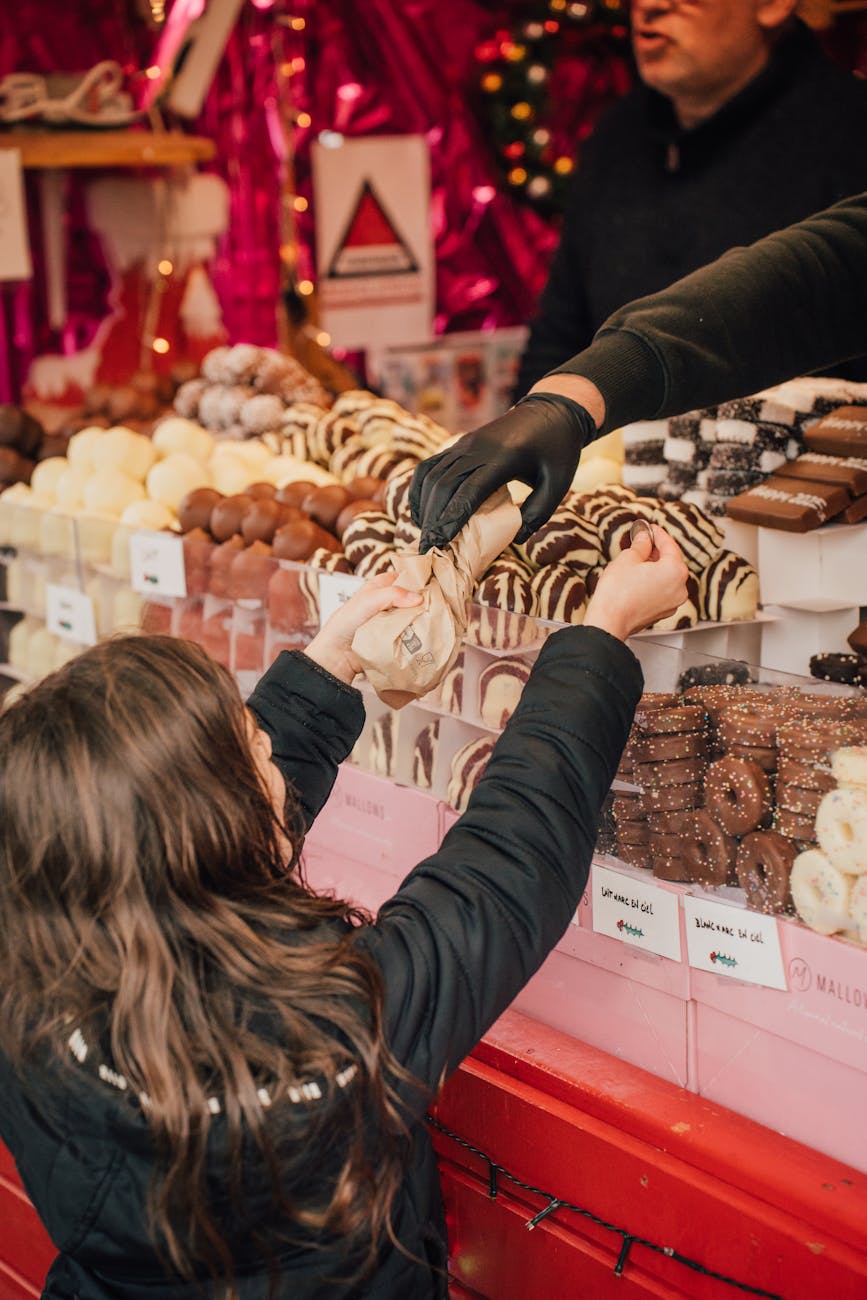
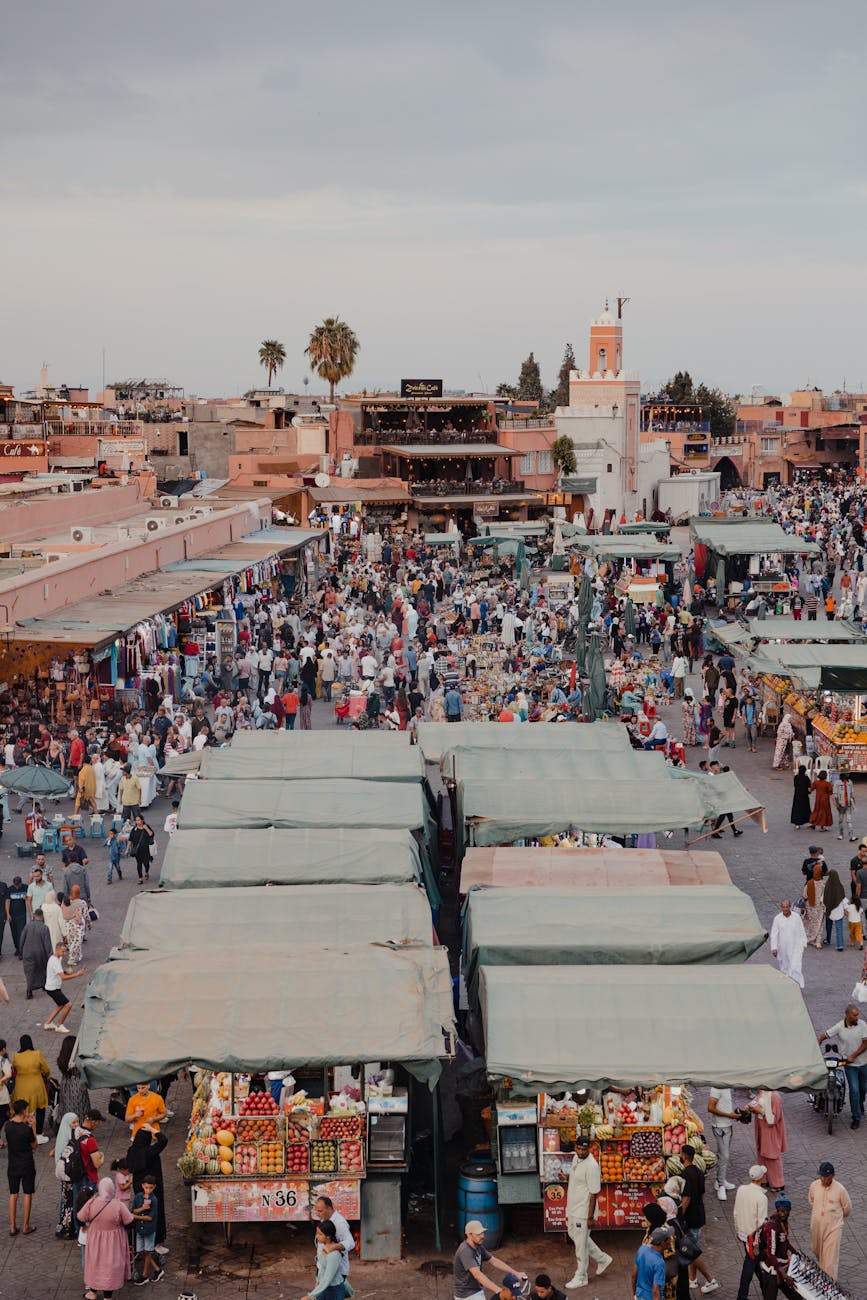
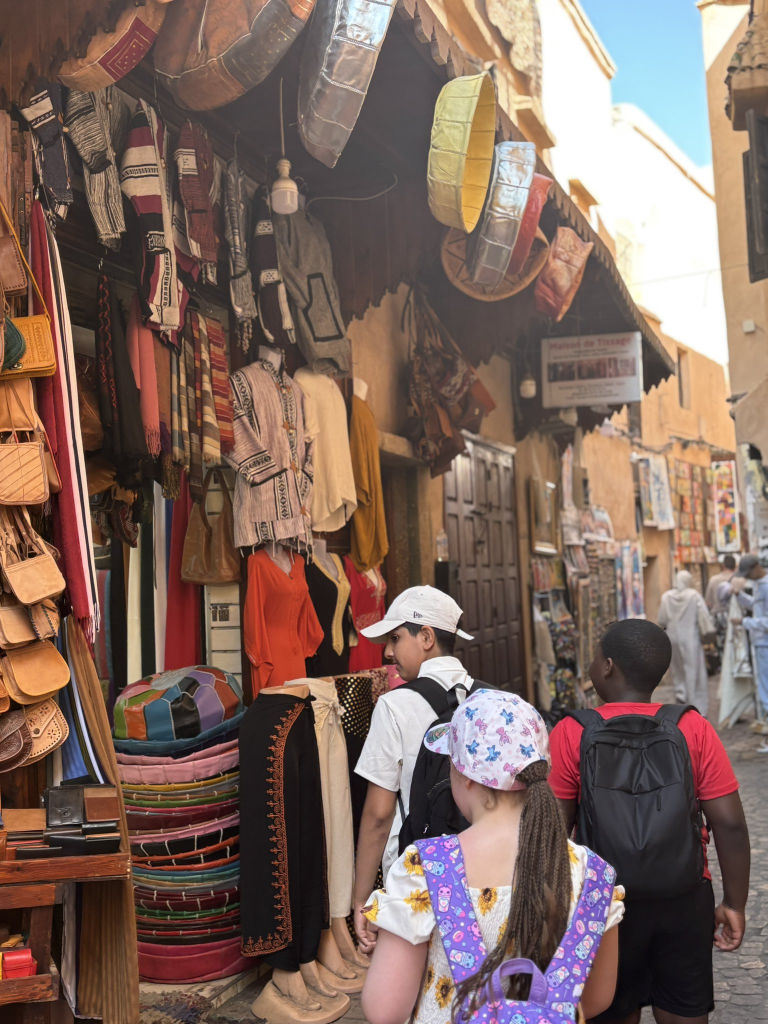


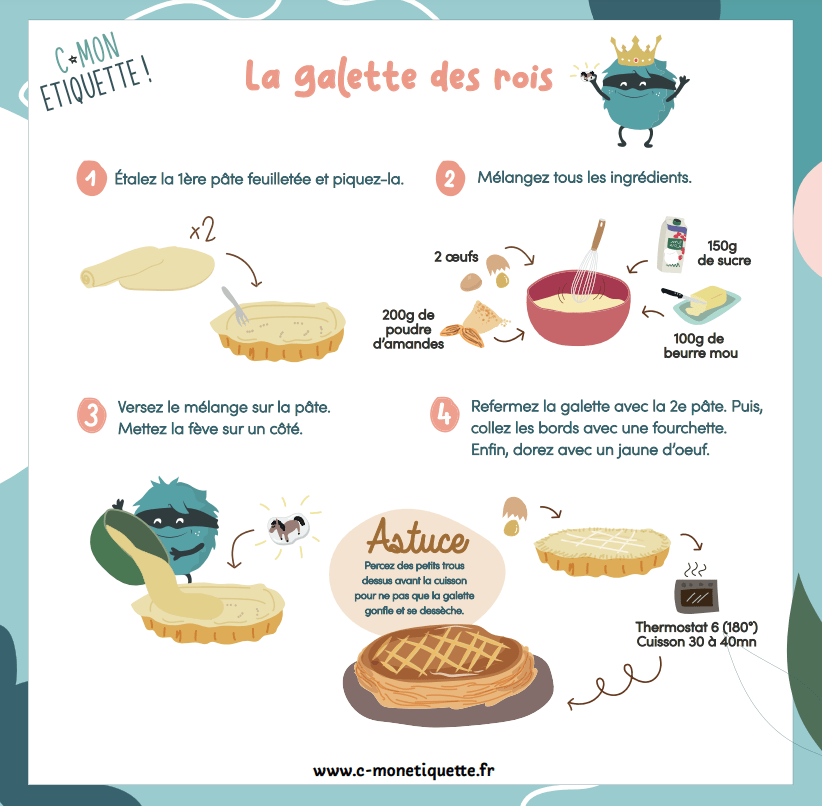
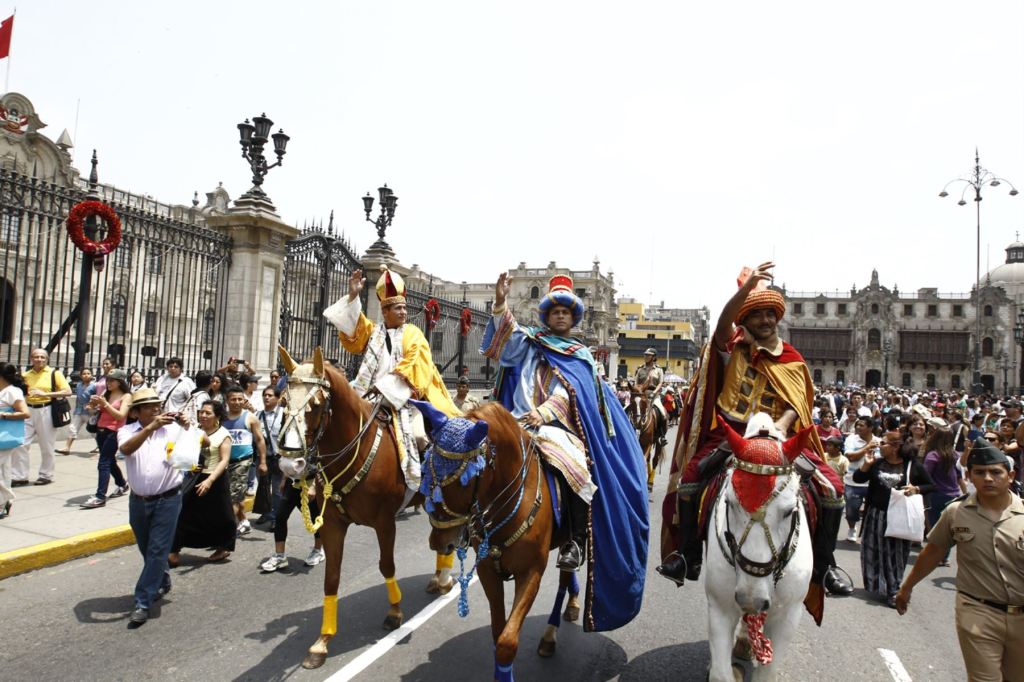


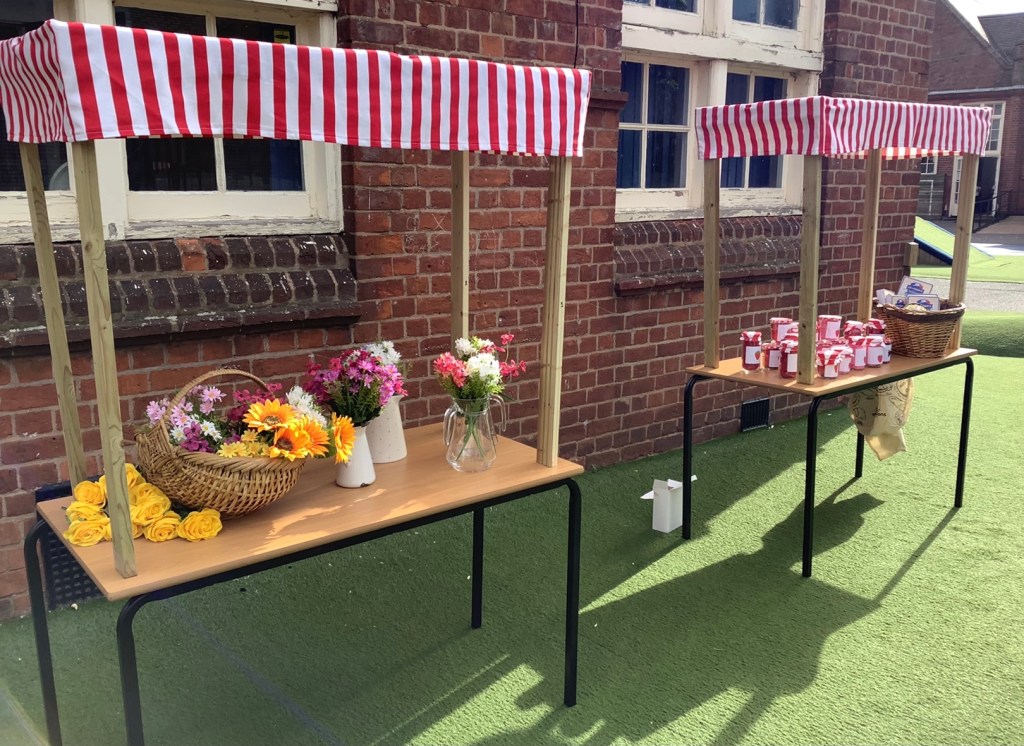

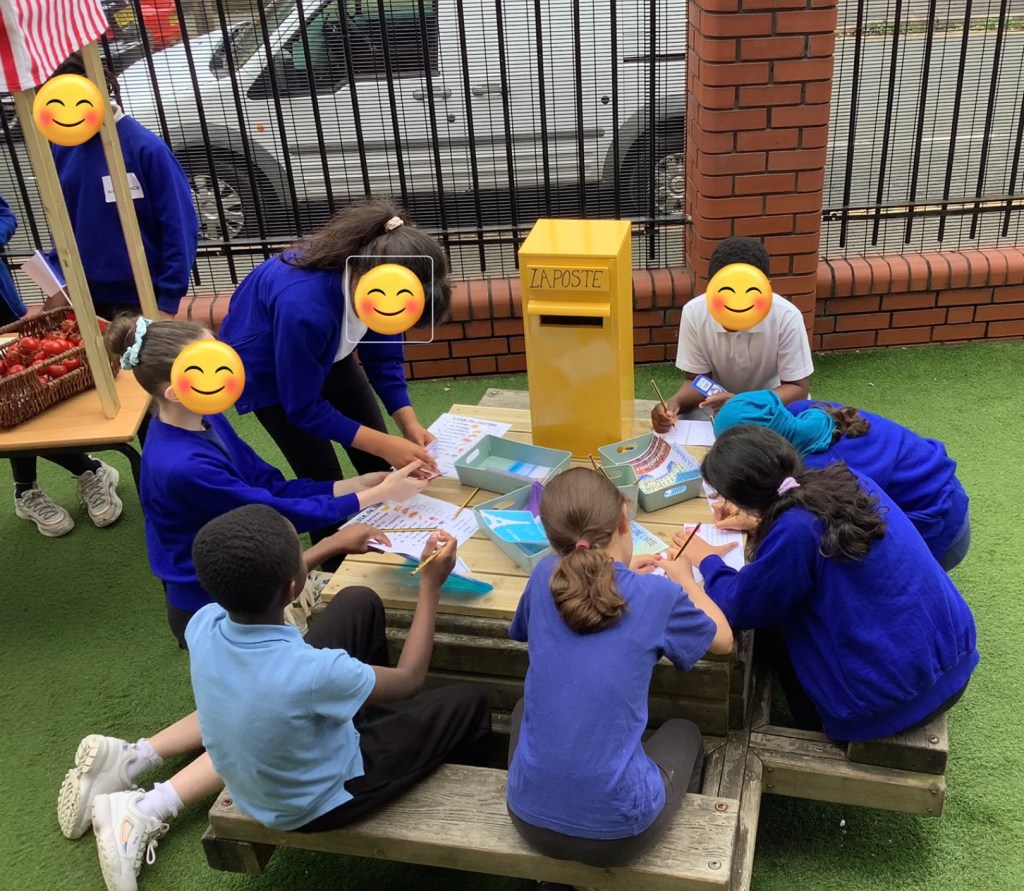



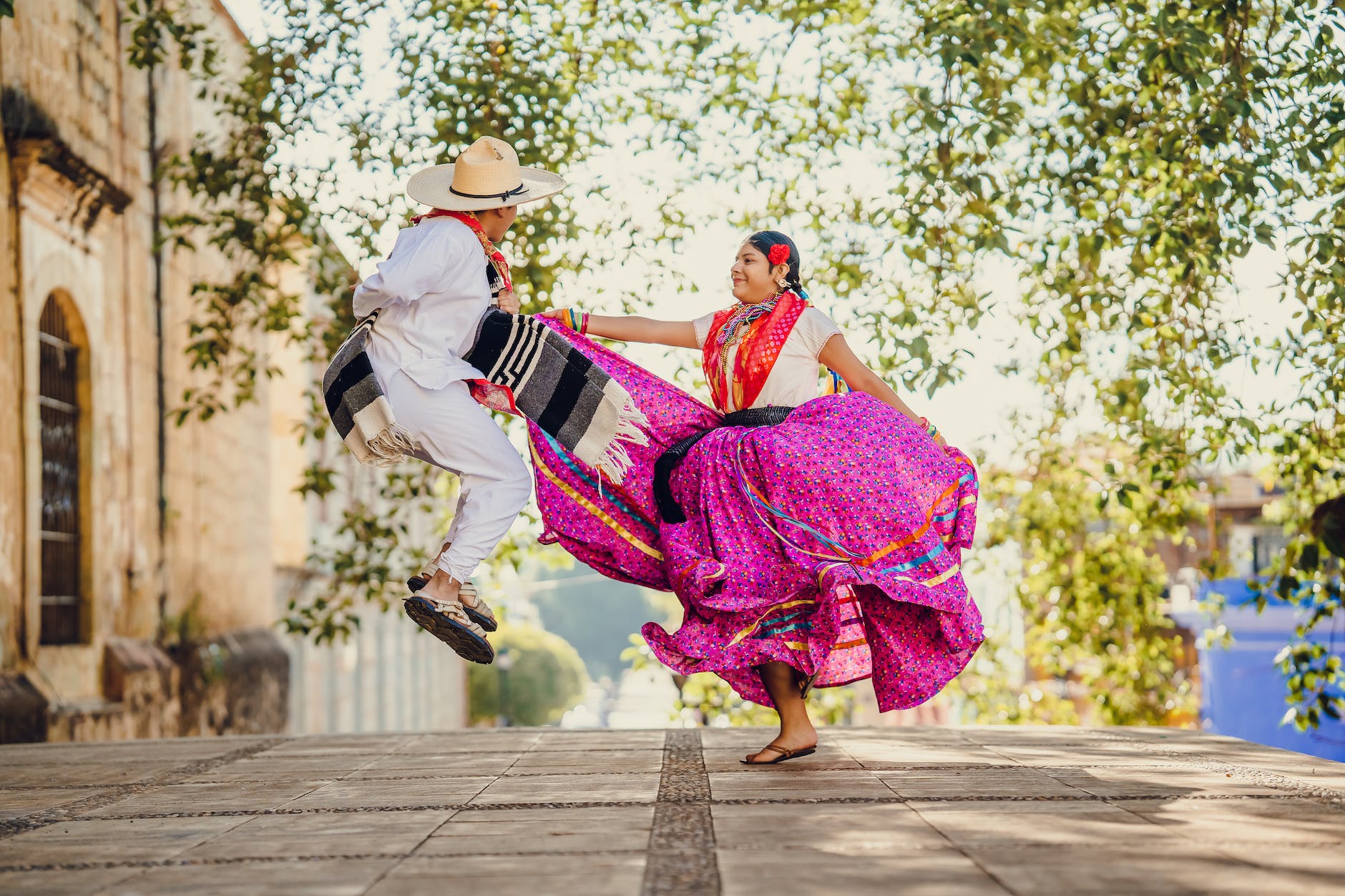

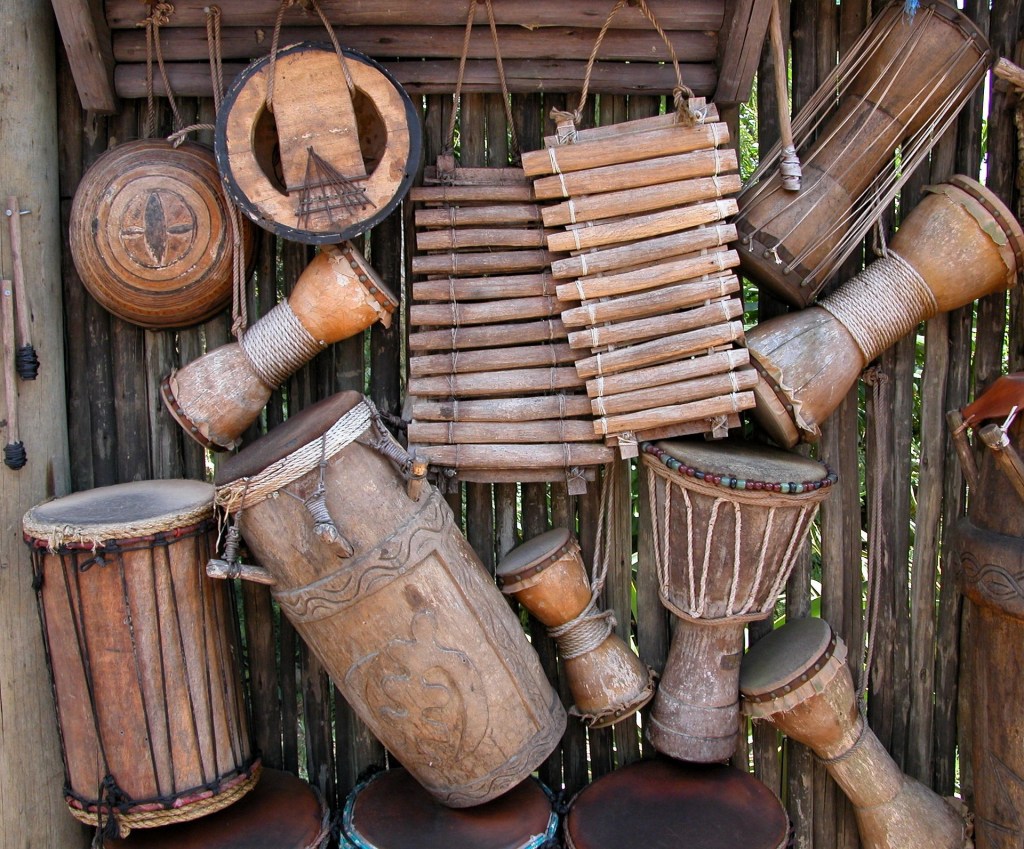
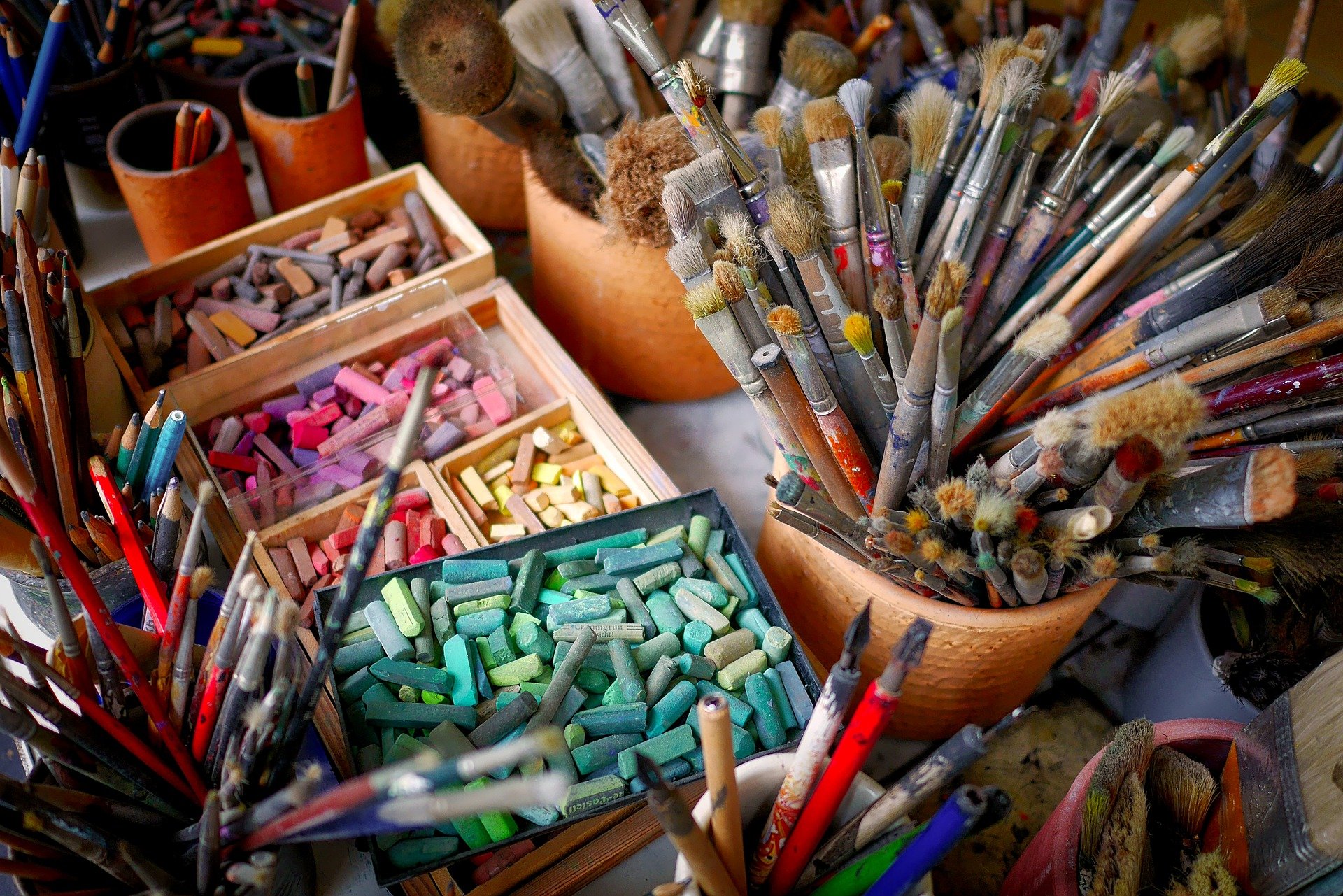


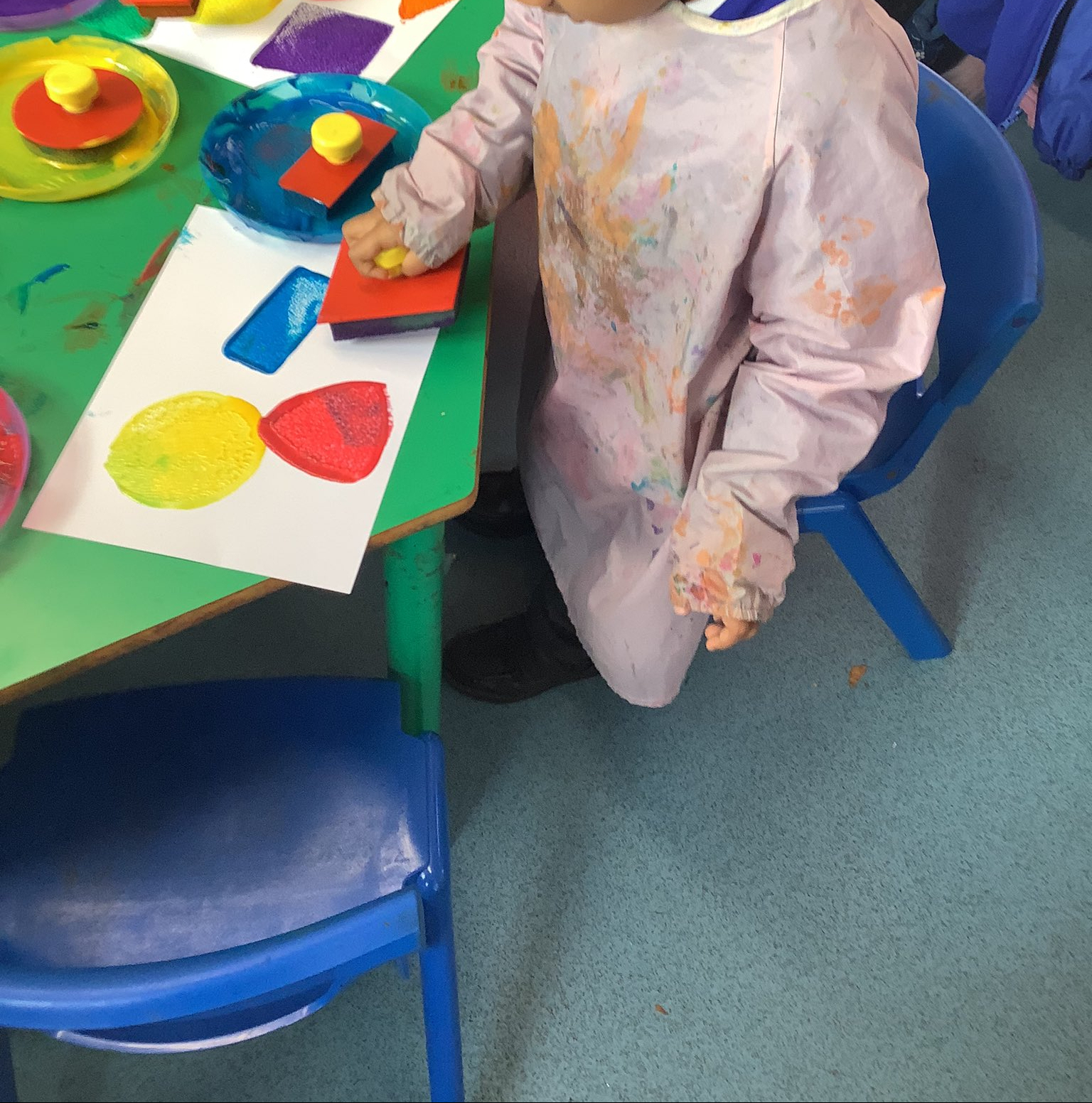

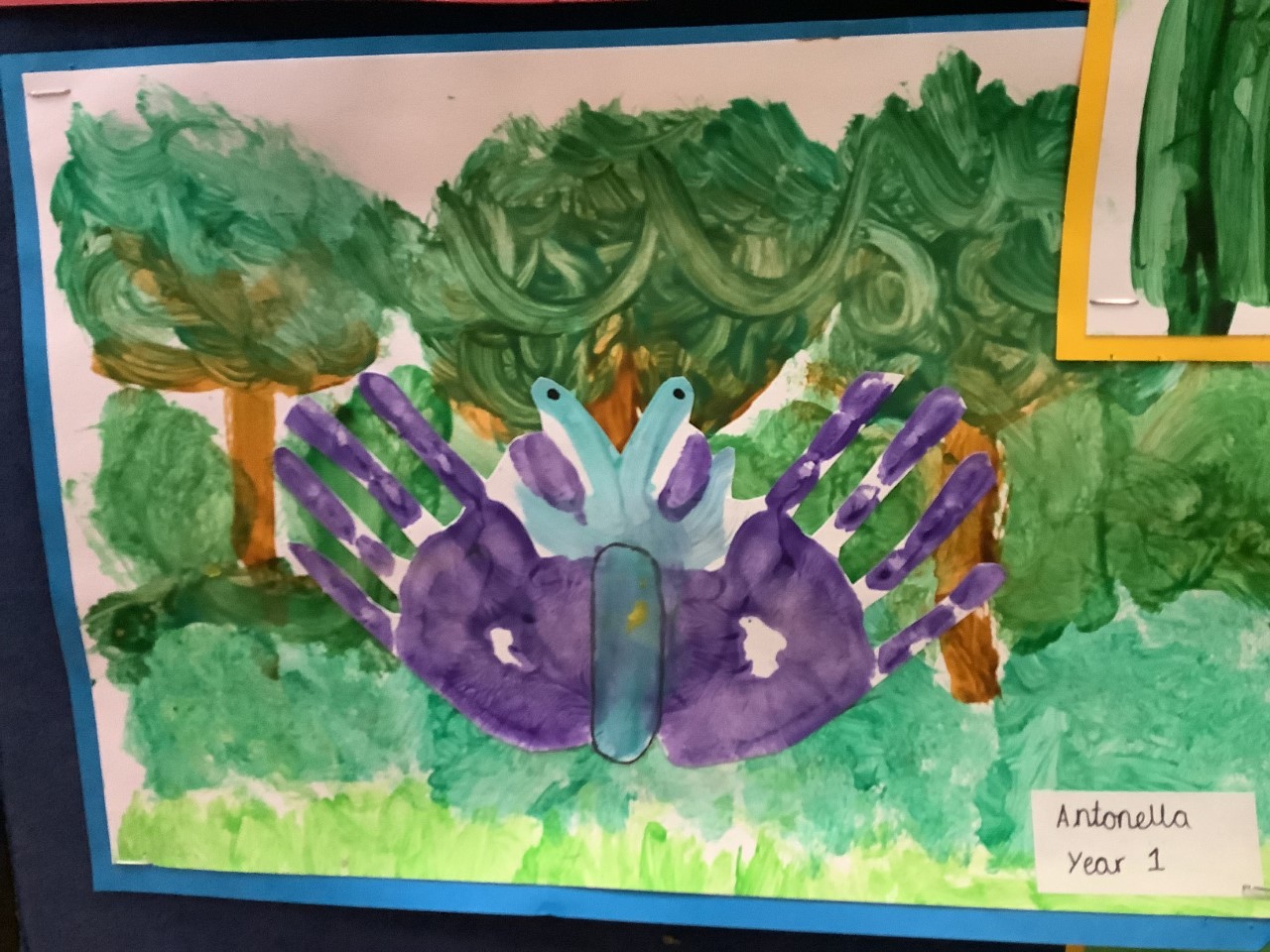

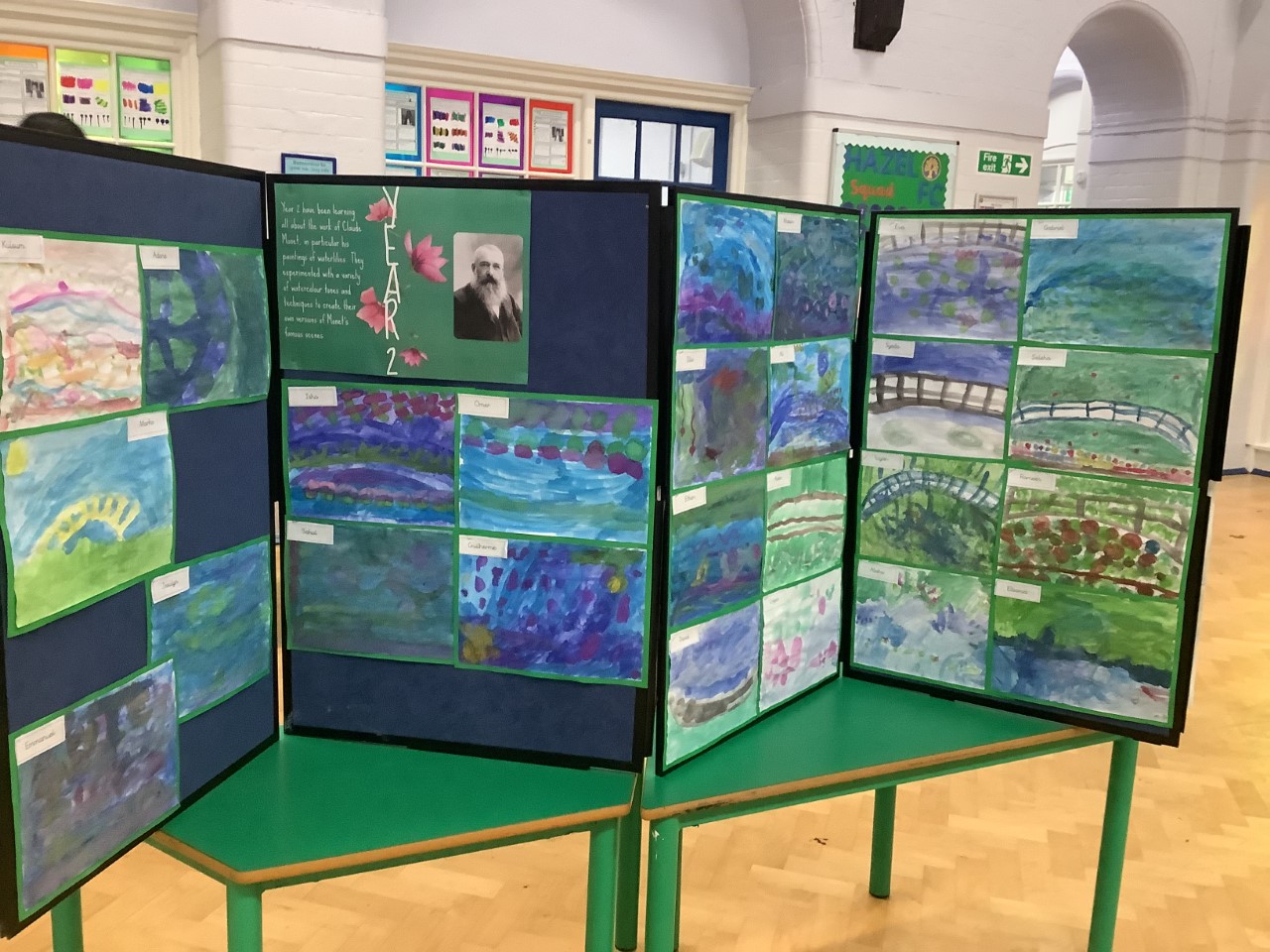
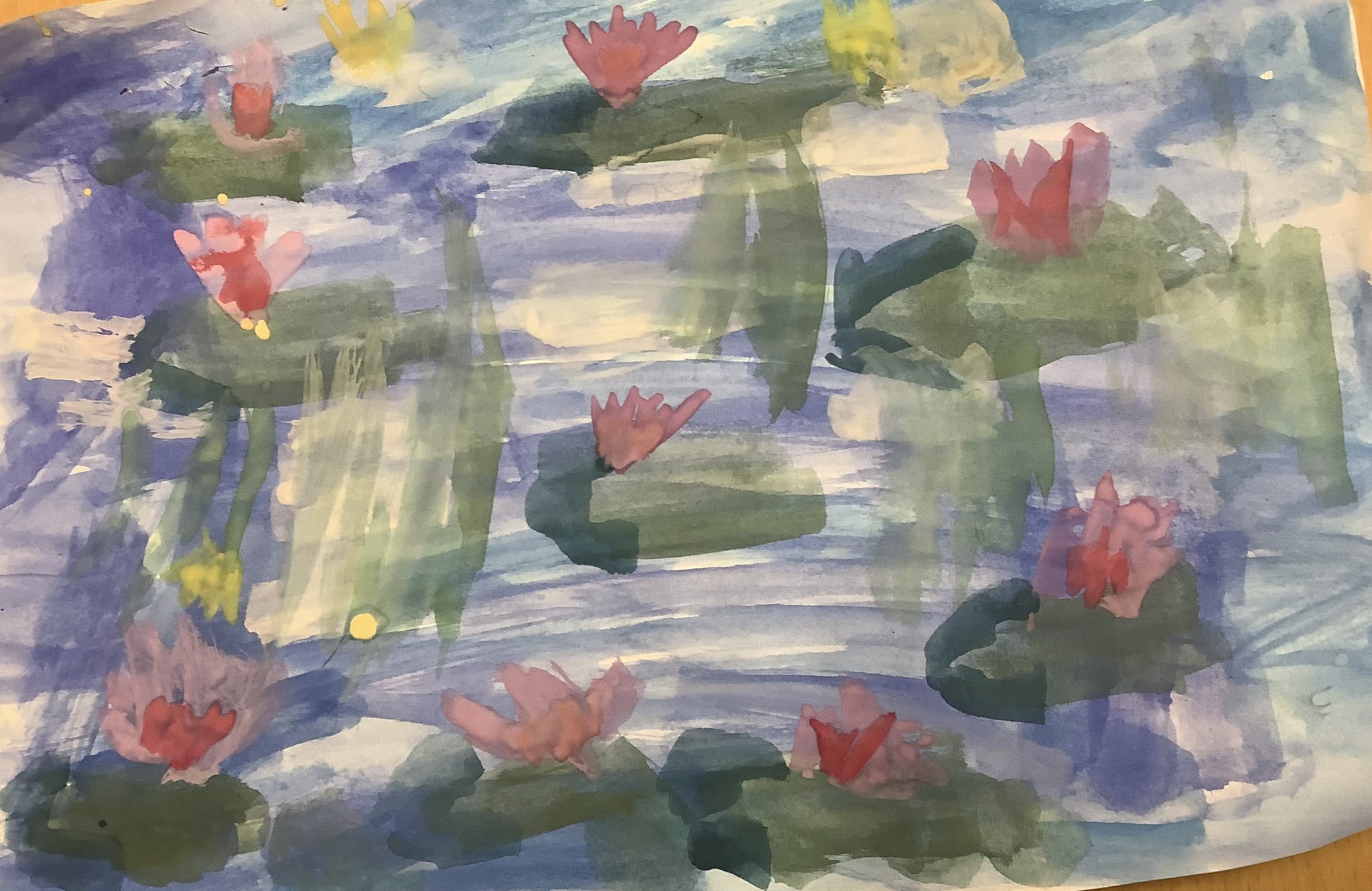
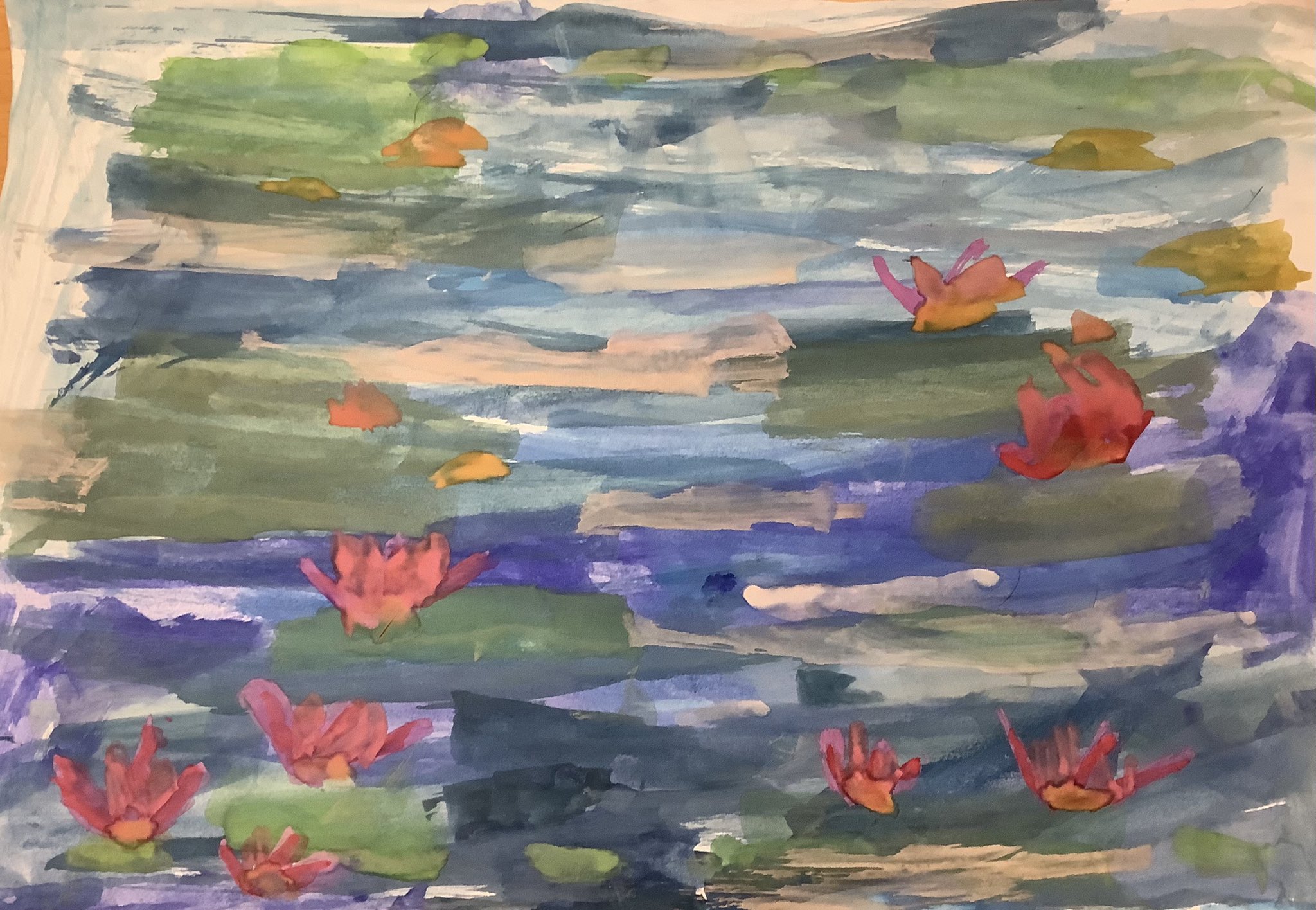


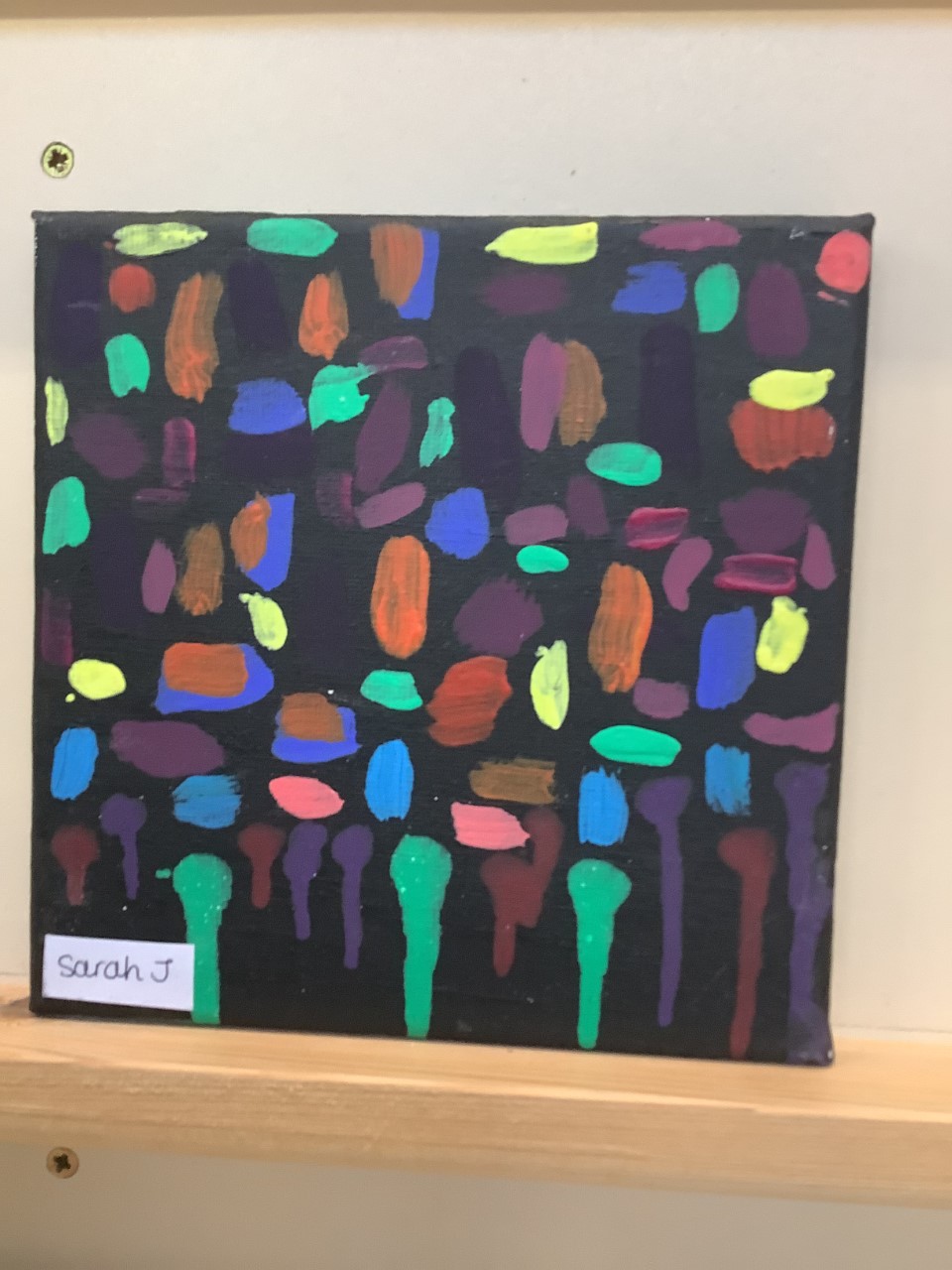
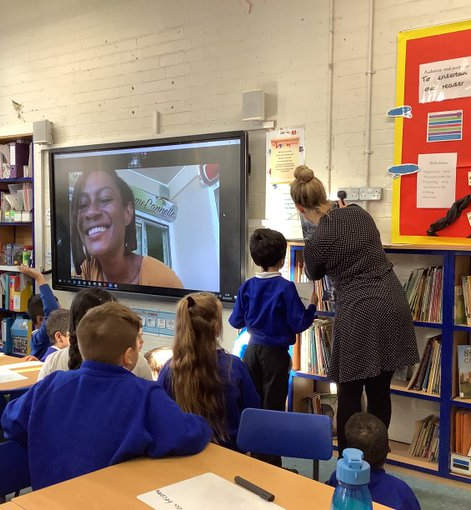


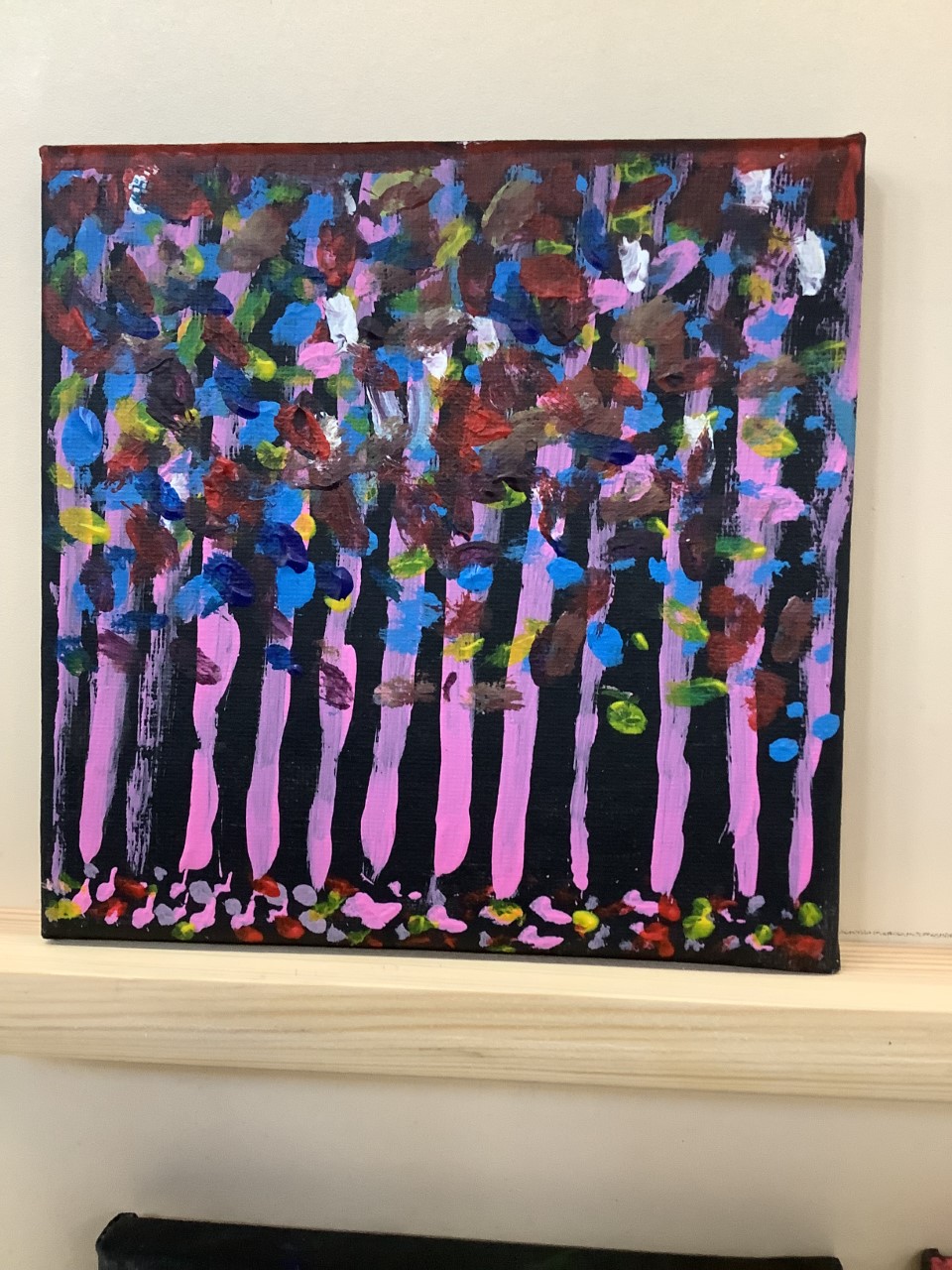
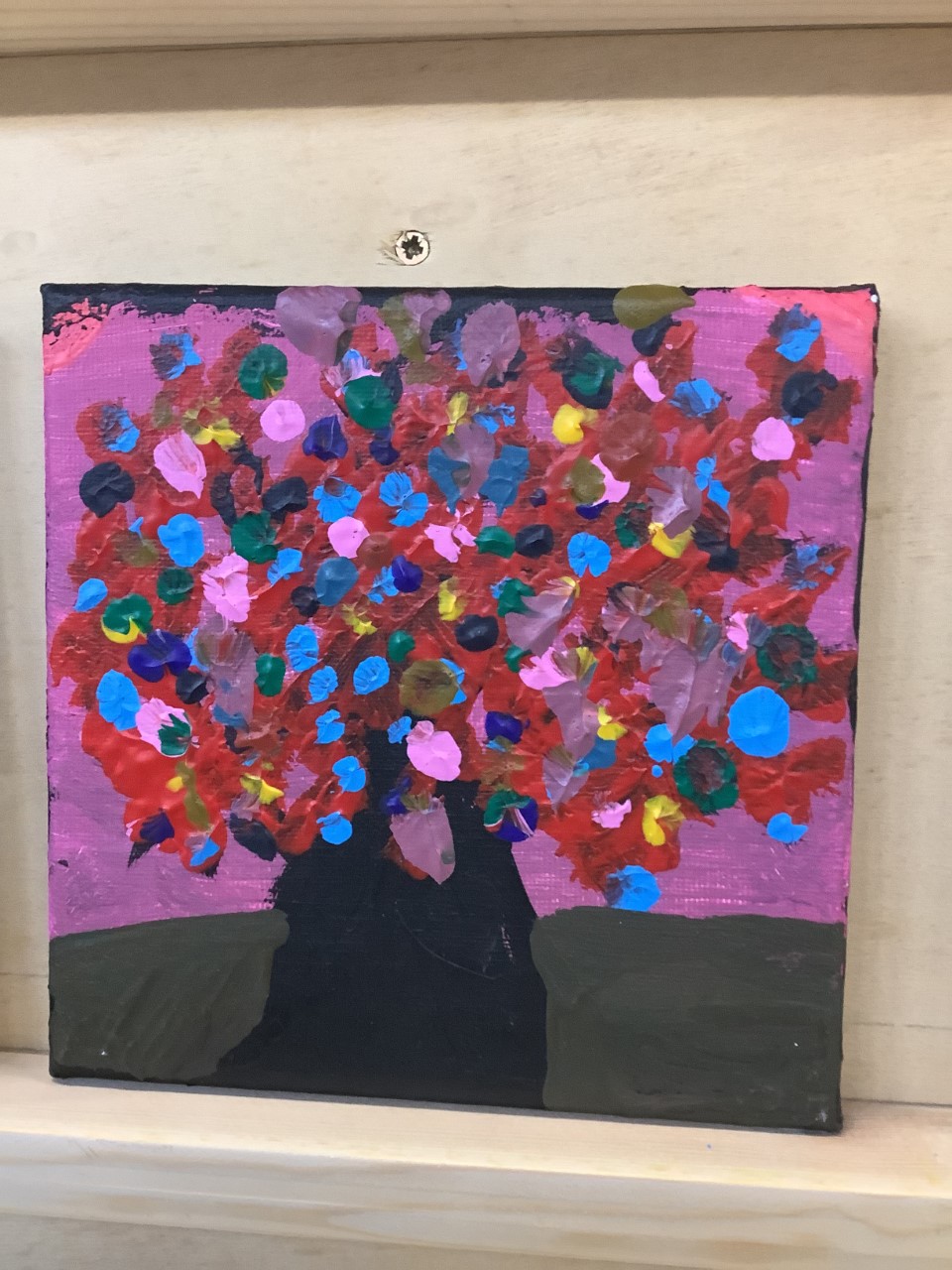
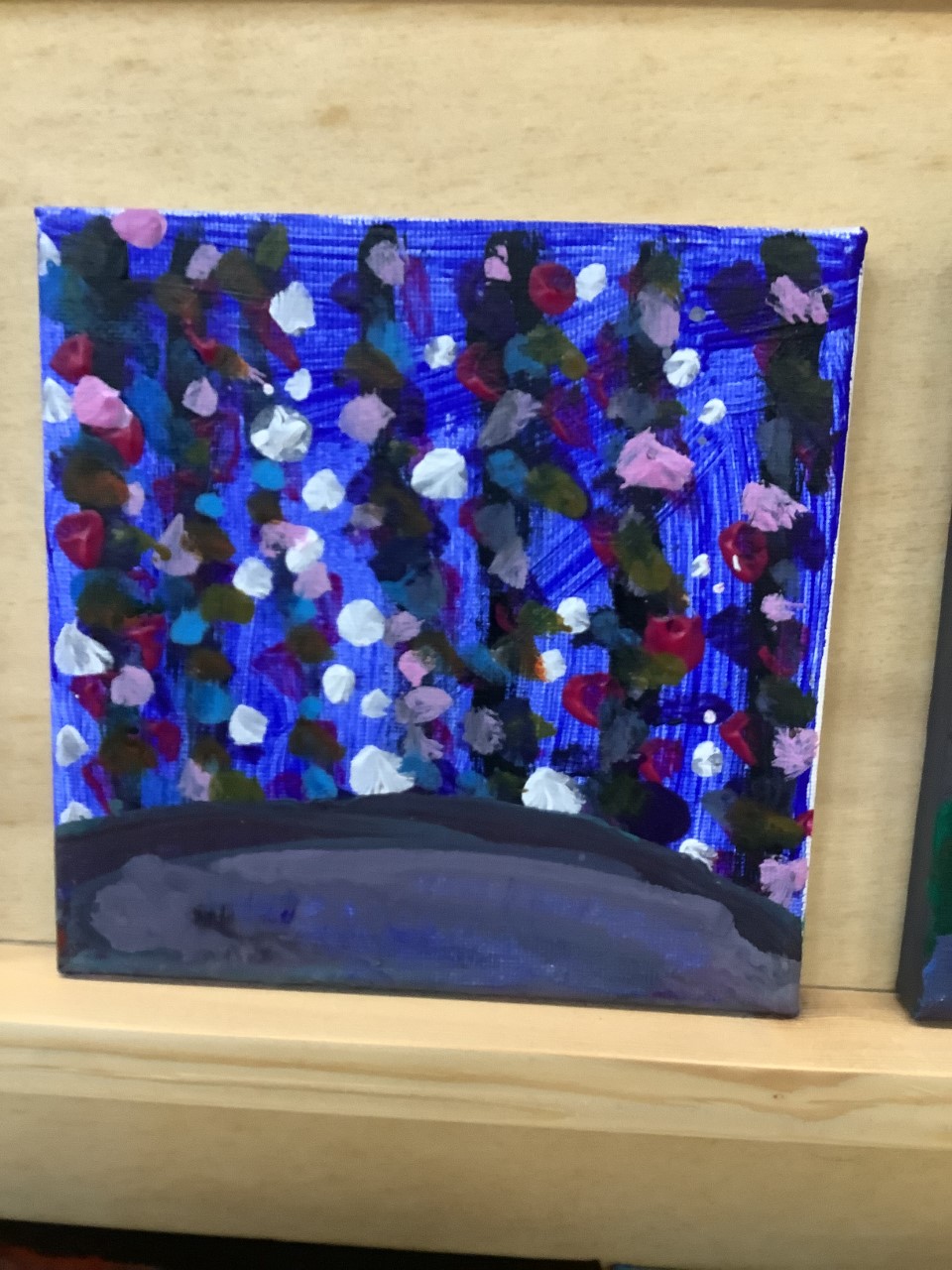

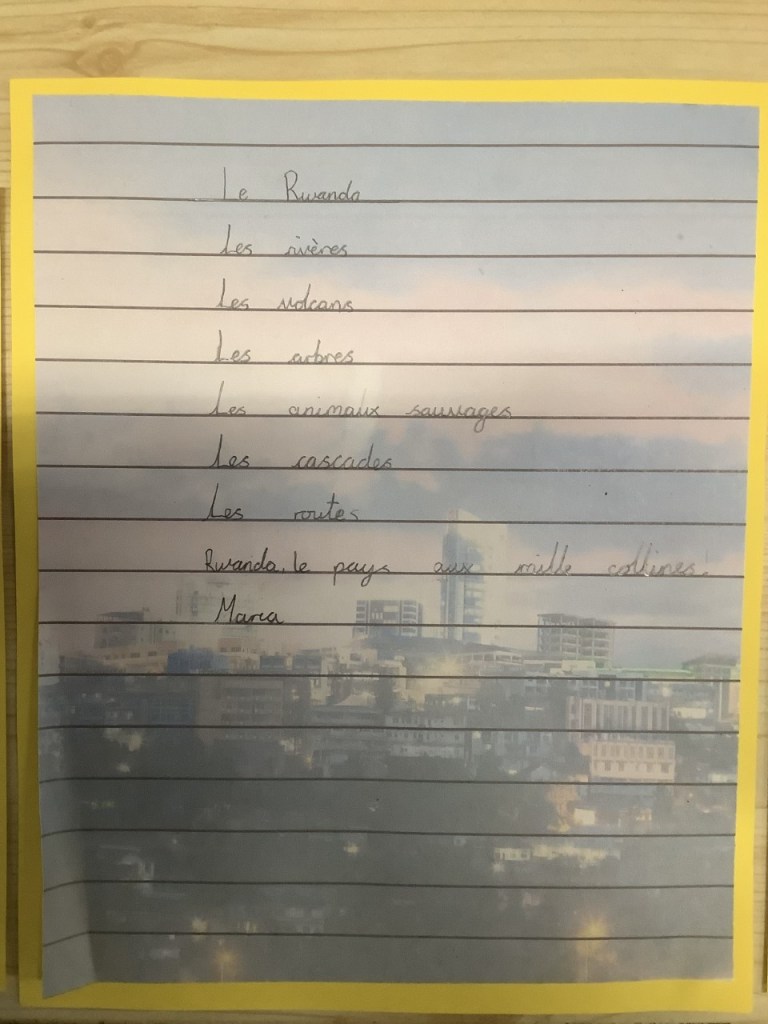
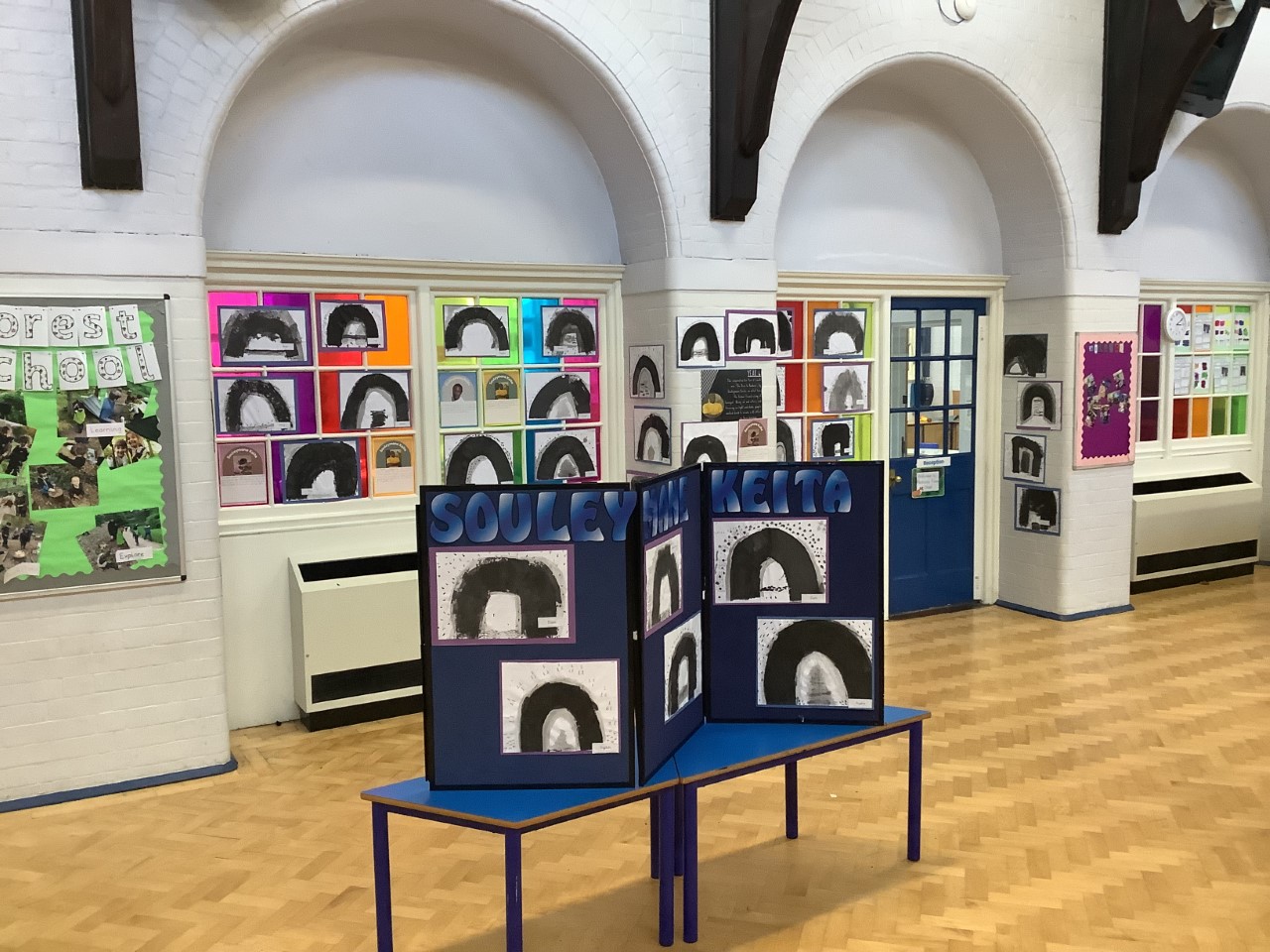
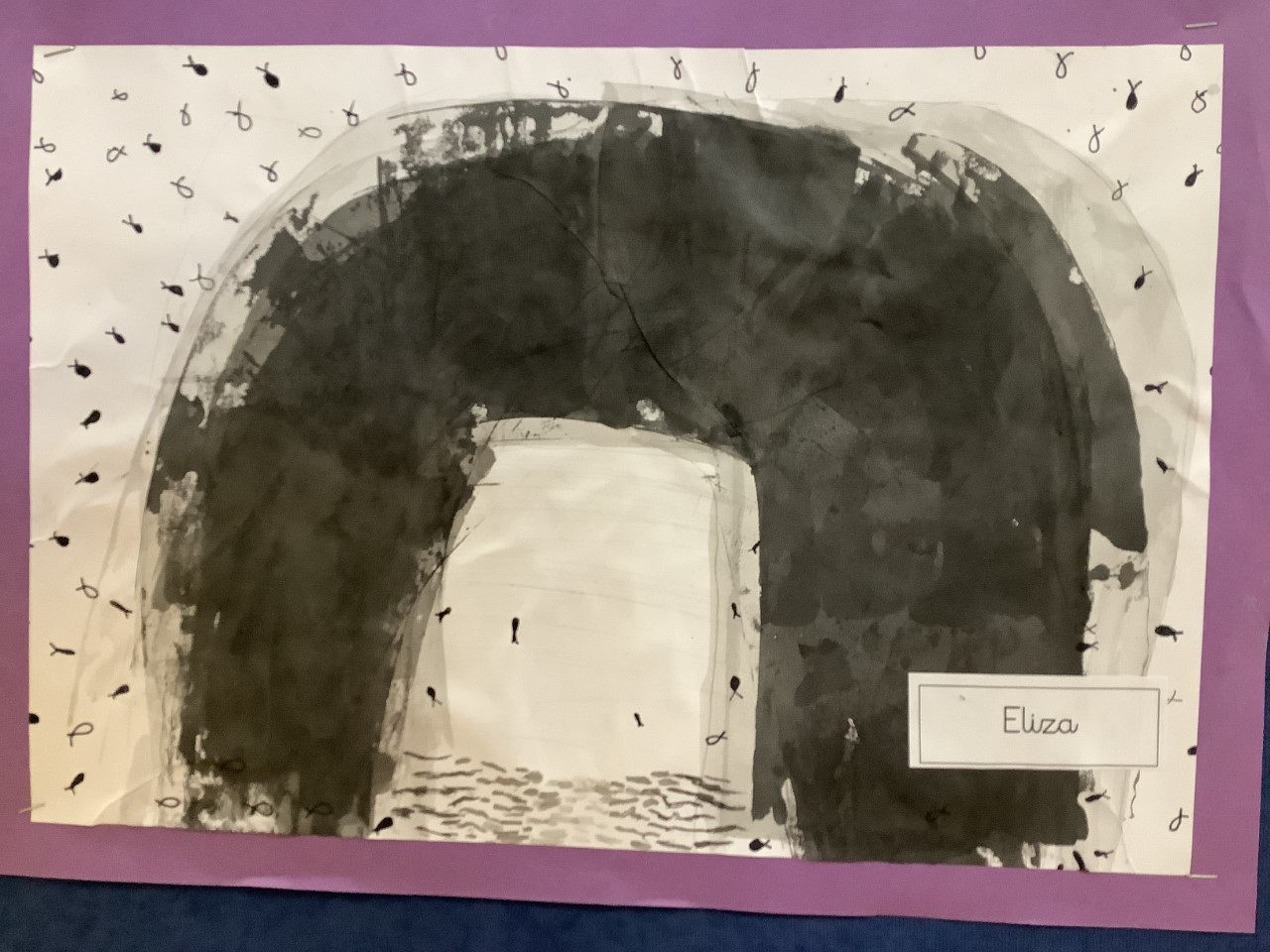



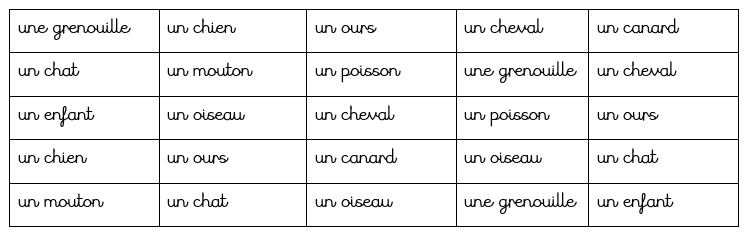


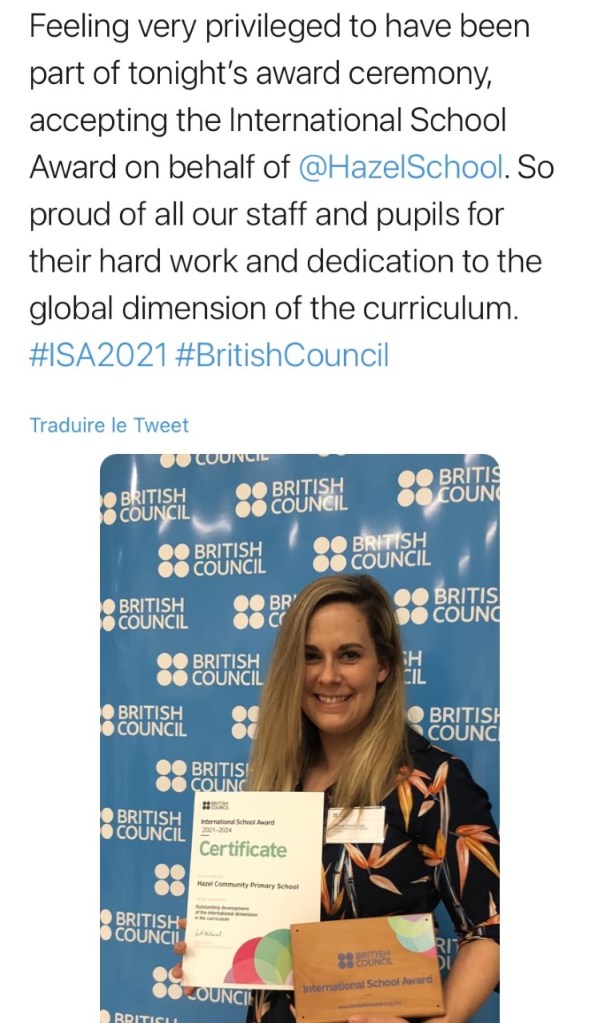


 My Primary Languages Classroom